Cosmetics manufacturer · Packaging archive
Packaging Archive for cosmetics
The archive holds over 1,800 cosmetic packaging options, from airless bottles and jars to tubes, pumps and applicators. Each record lists volume, material, finish, neck and closure. You choose the packaging here, and Private develops the formula and manufactures the finished product. The packaging you choose goes into your project and reaches our team together with the product brief, and a specialist comes back with feasibility and next steps.
- packaging options
- +1,800
- applications, from skincare to fragrance
- +10
- materials for every brand positioning
- From glass to biodegradable

For packaging suppliers
Put your packaging in front of brands in the making.
Show your range to cosmetic brands right when they are choosing the packaging for their next product.
Advertise here

What type of packaging are you looking for?
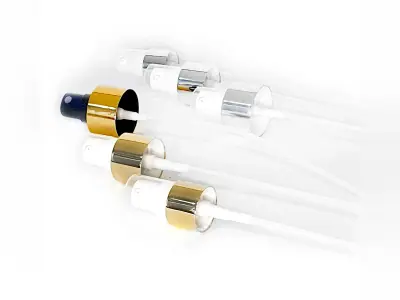
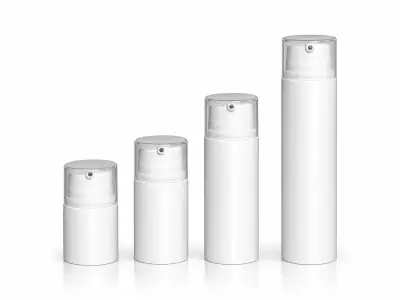
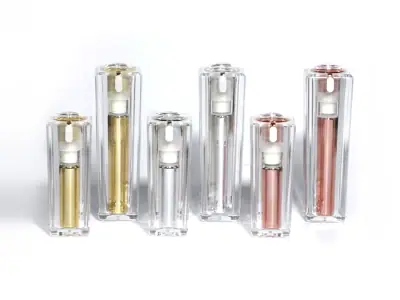
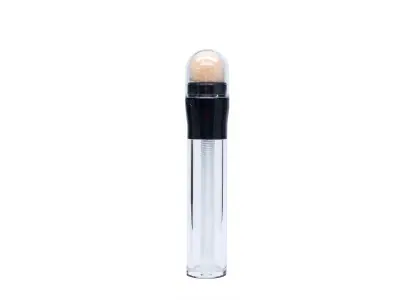
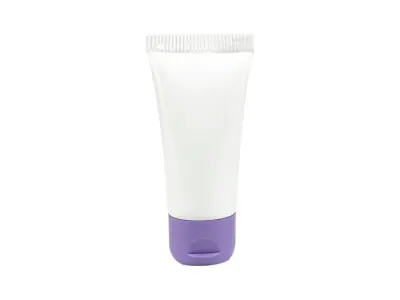
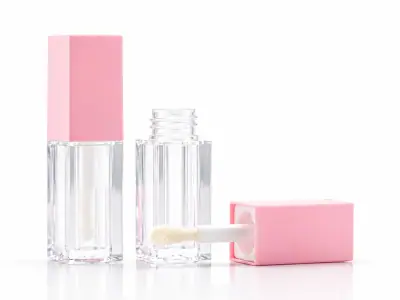
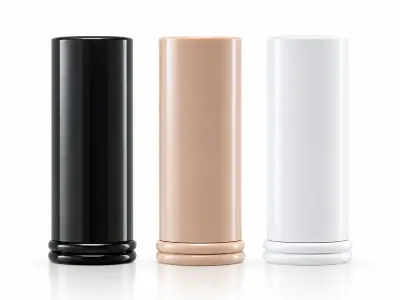
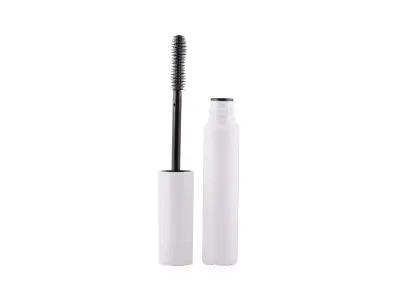
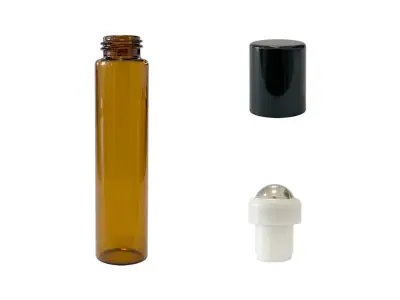
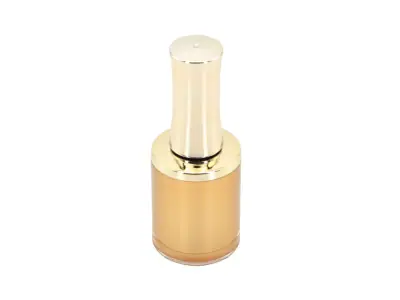
Search the full archive
The full archive
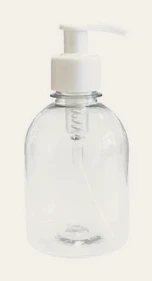
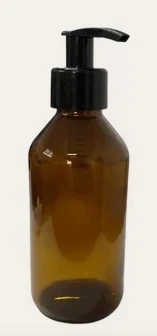
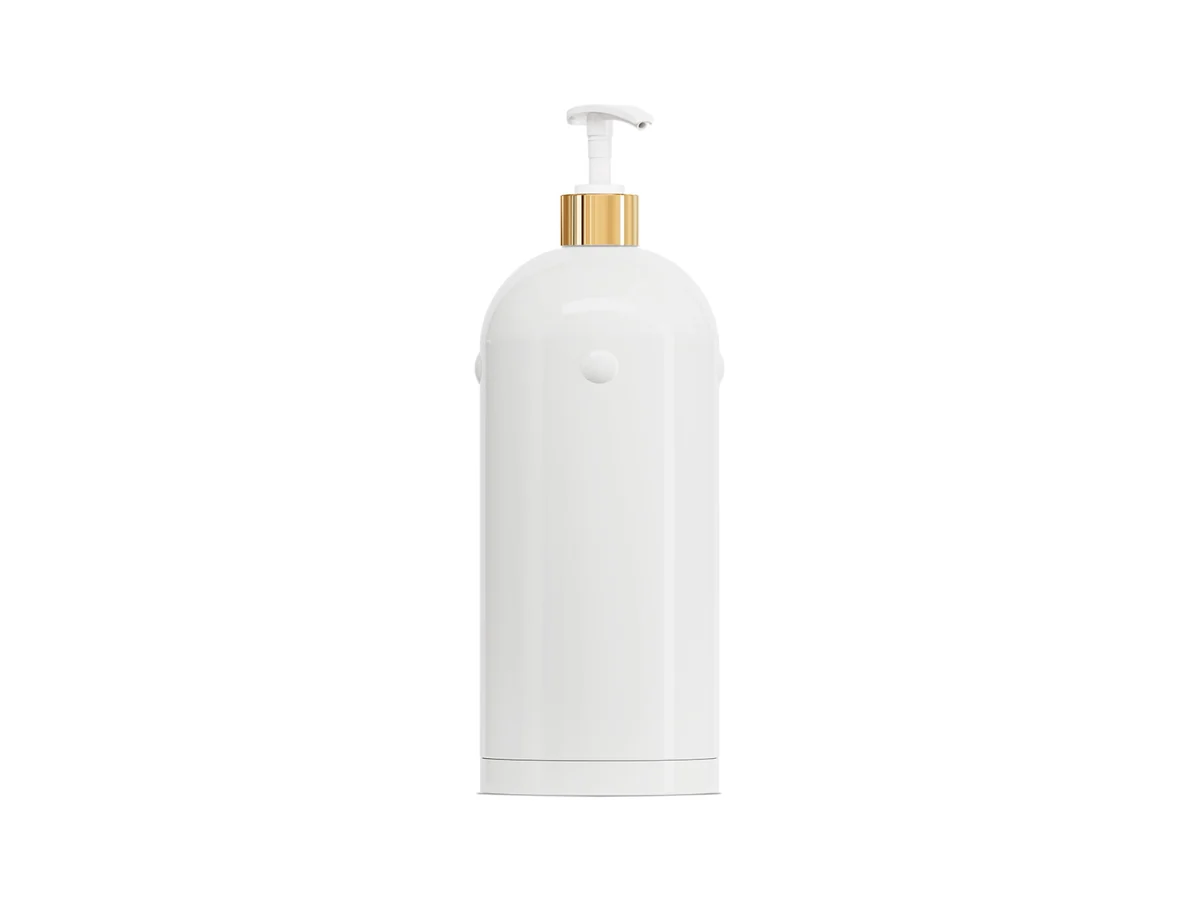
Pump bottle
250 ml · PET · 28/410
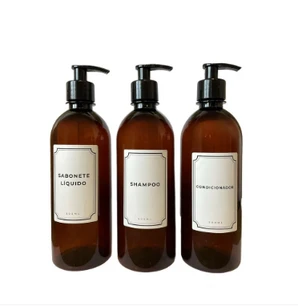
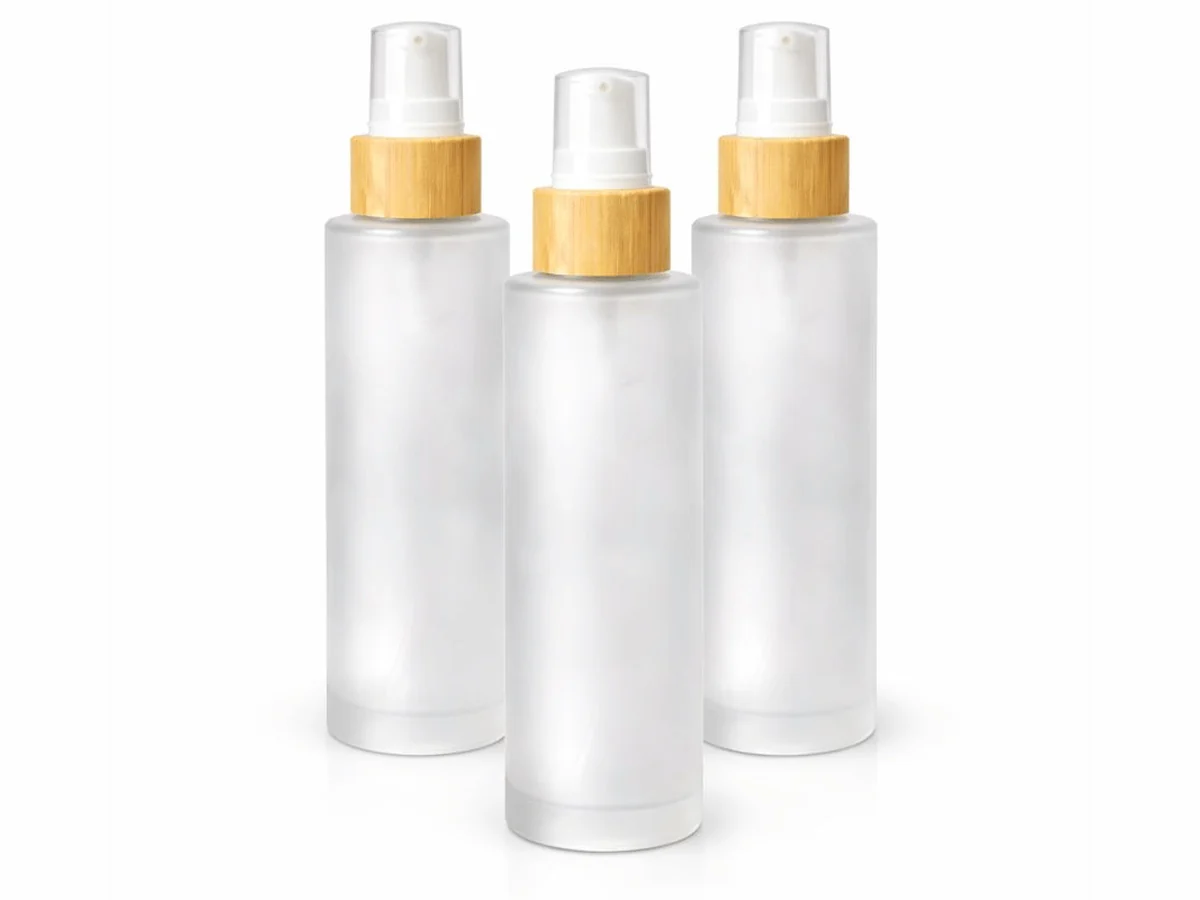
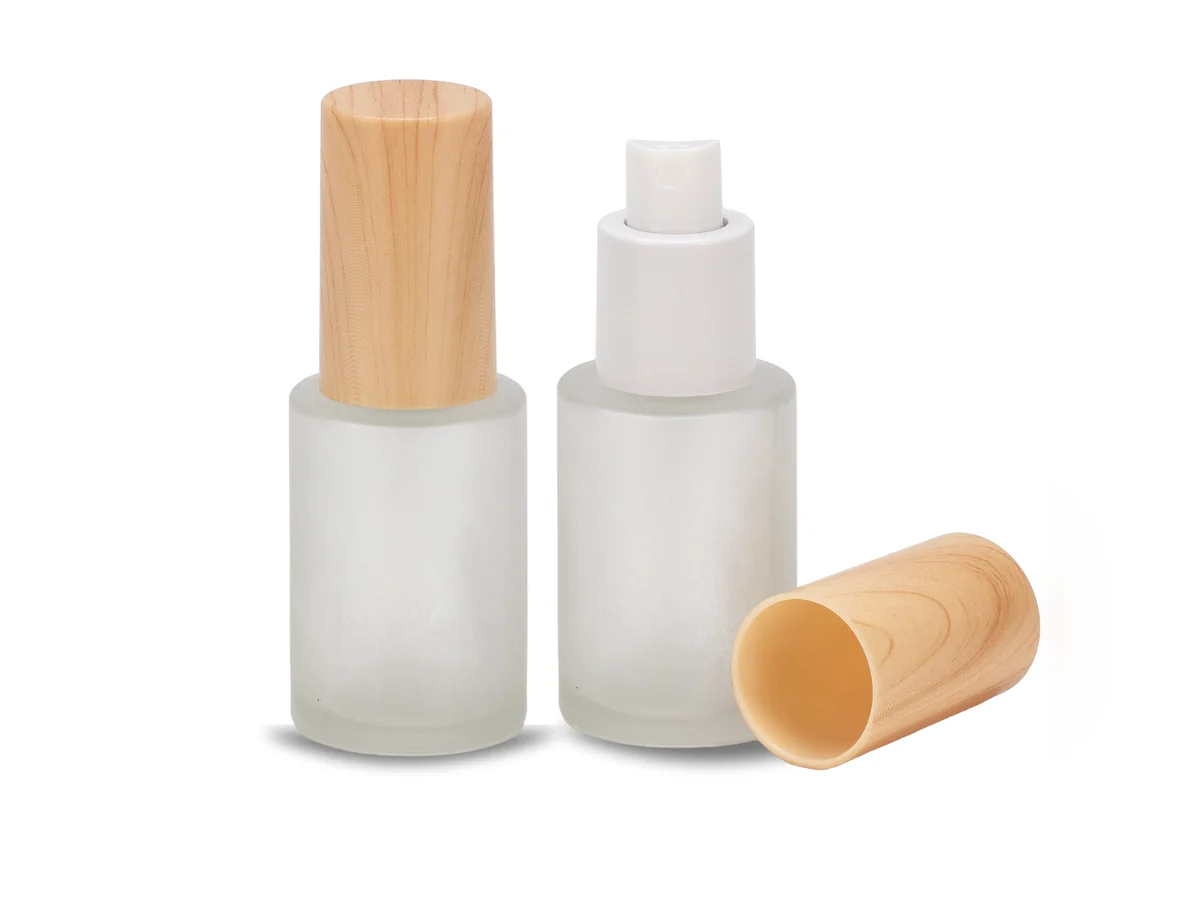
Spray bottle
60 ml · Glass · 24/410
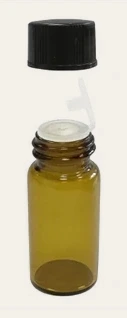
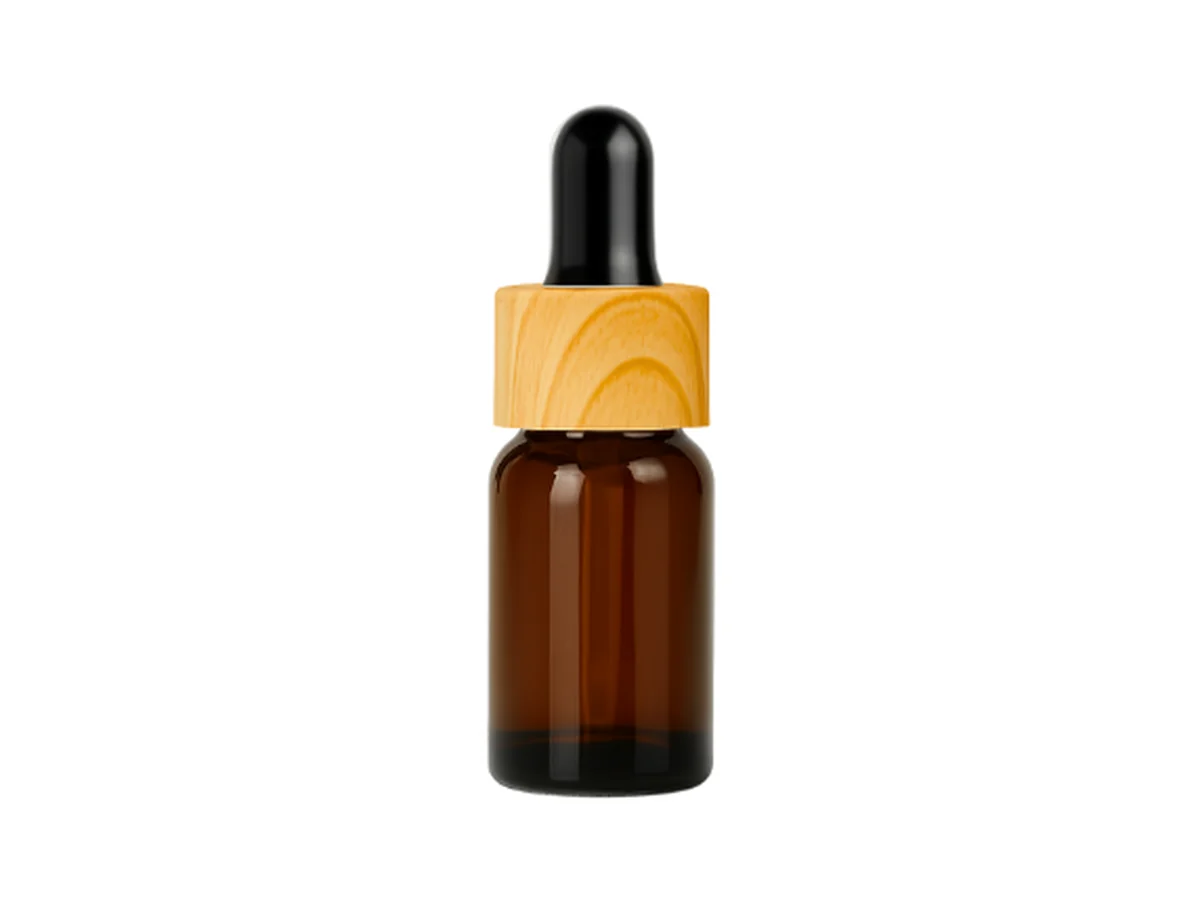
Dropper bottle
5 ml · Glass · 18/410
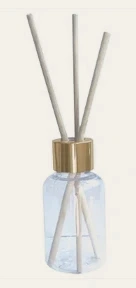
Bottle
30 ml · PET · 18/410
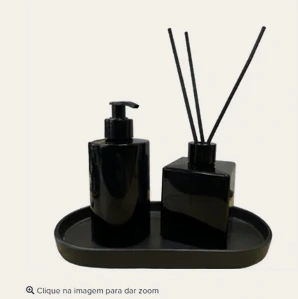
Kit / Set
500 ml · PET · 28/410
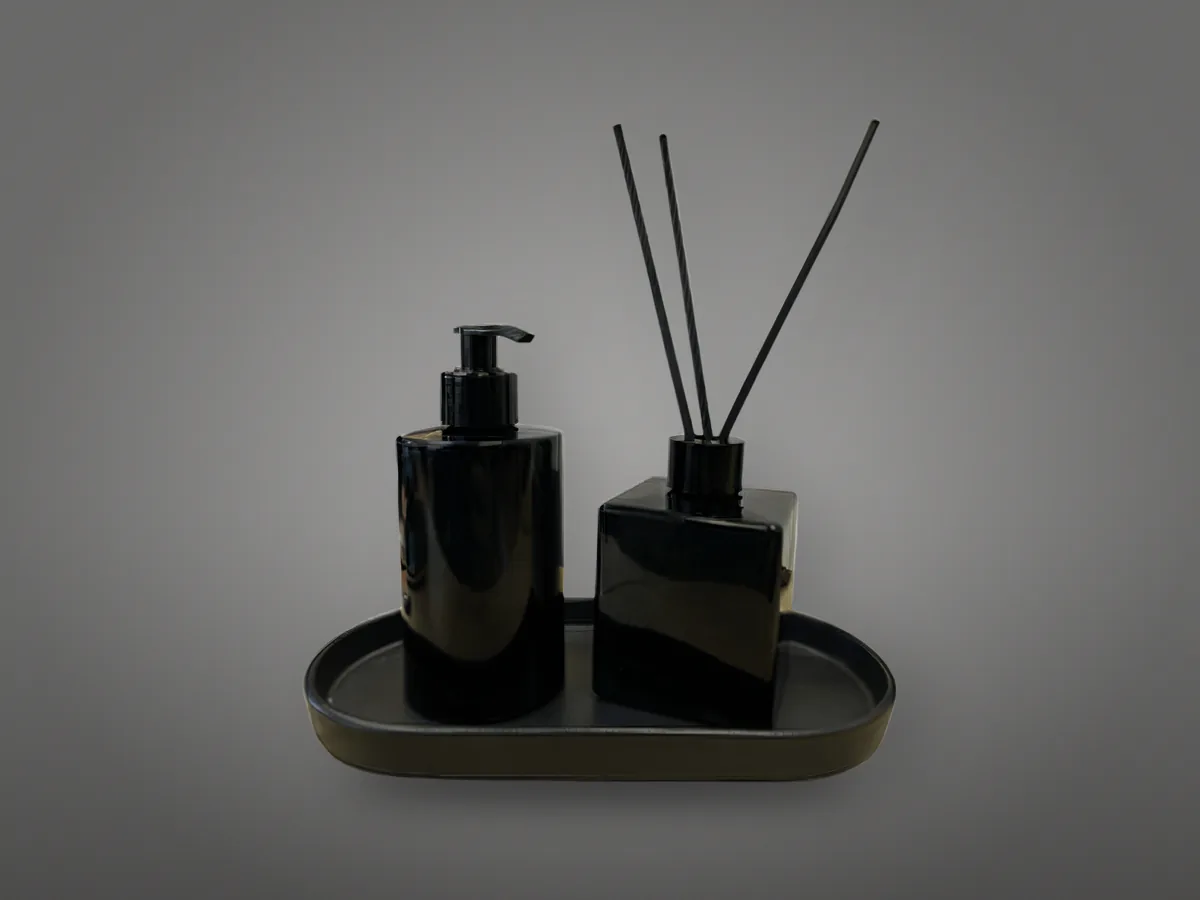
Applicator / Accessory
28/410 · Glass
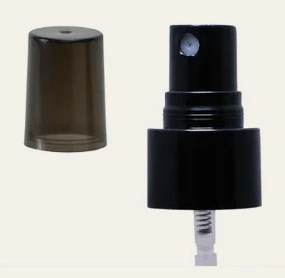
Valve / Cap
18/410 / 24/410 · Plastic
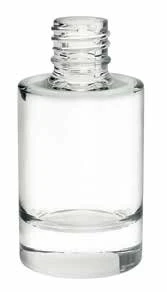
Nail polish bottle
7.5 ml · Glass · 13/415
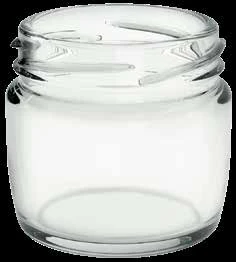
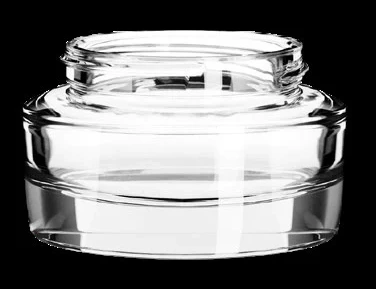
Jar
130 ml · Glass
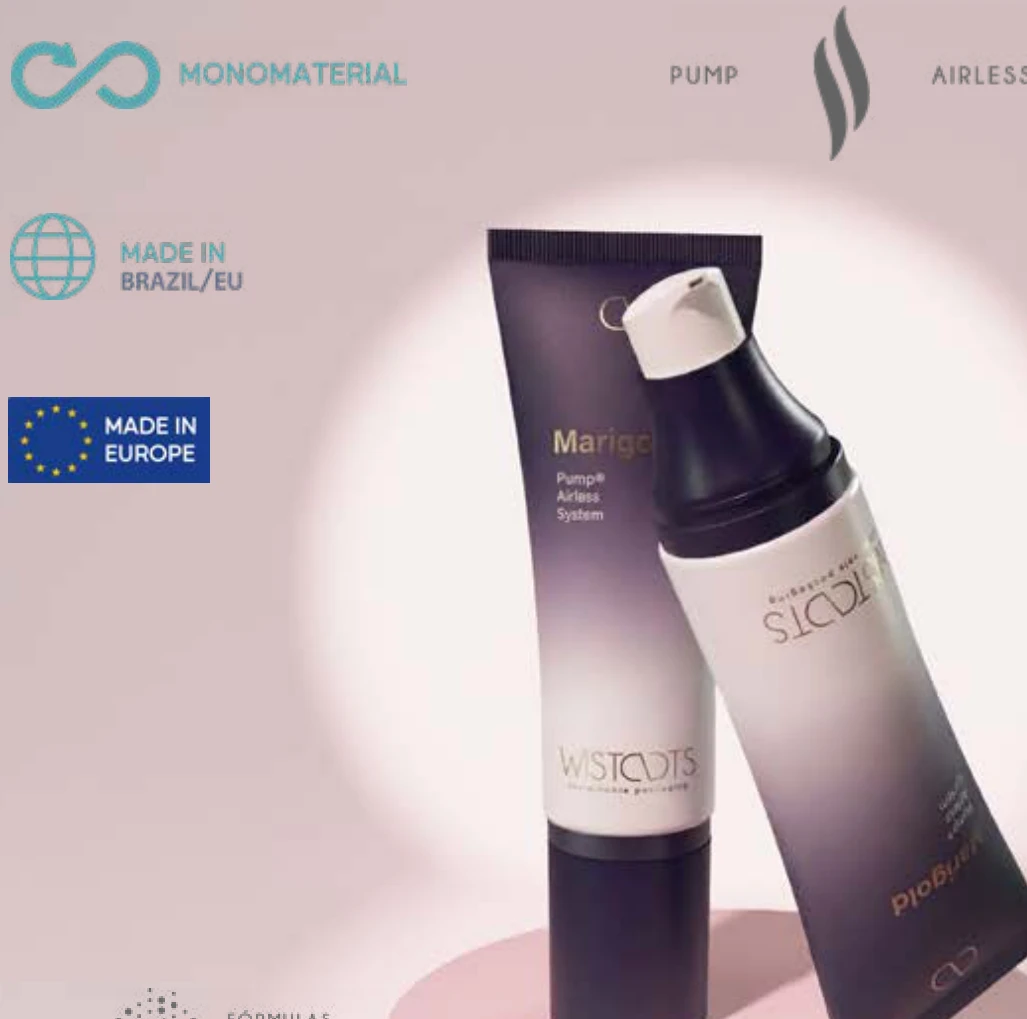
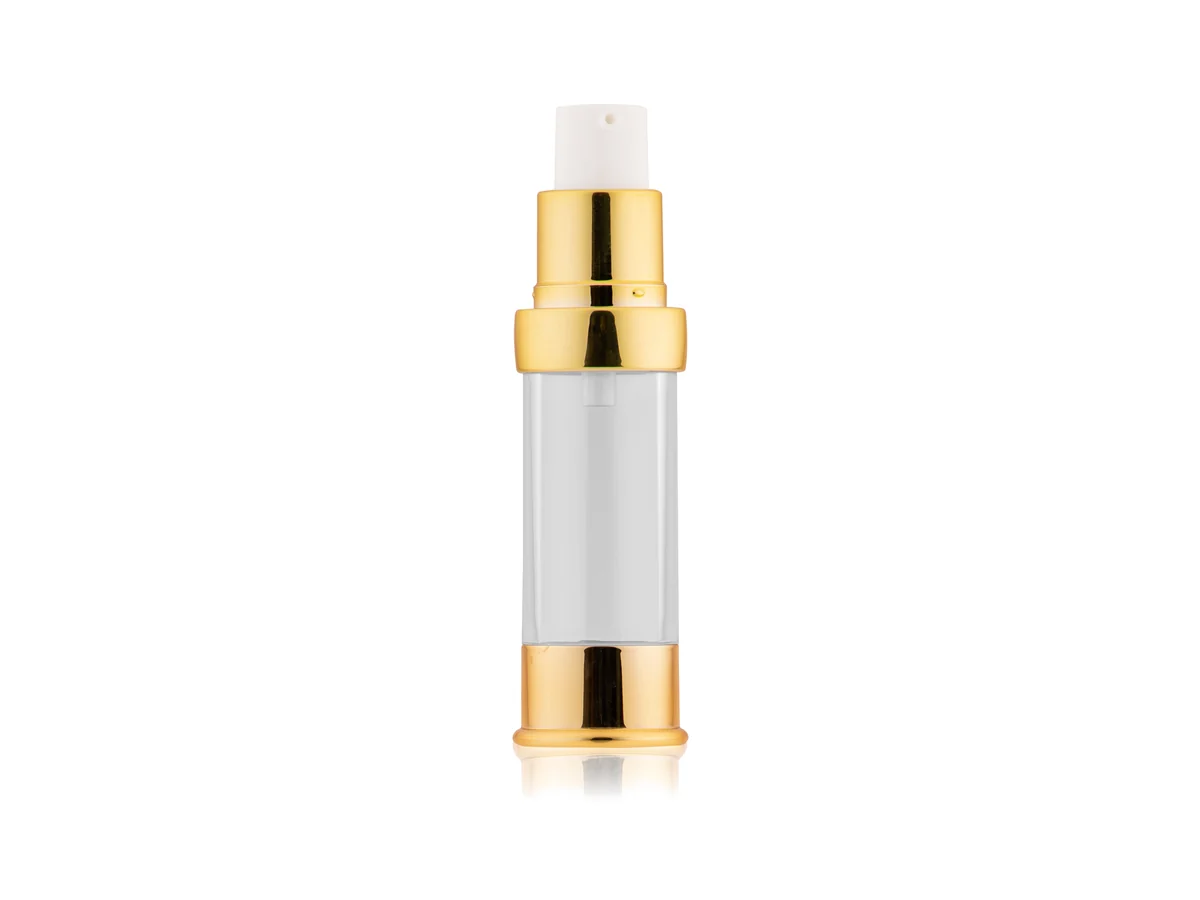
Airless bottle
120 ml · PE
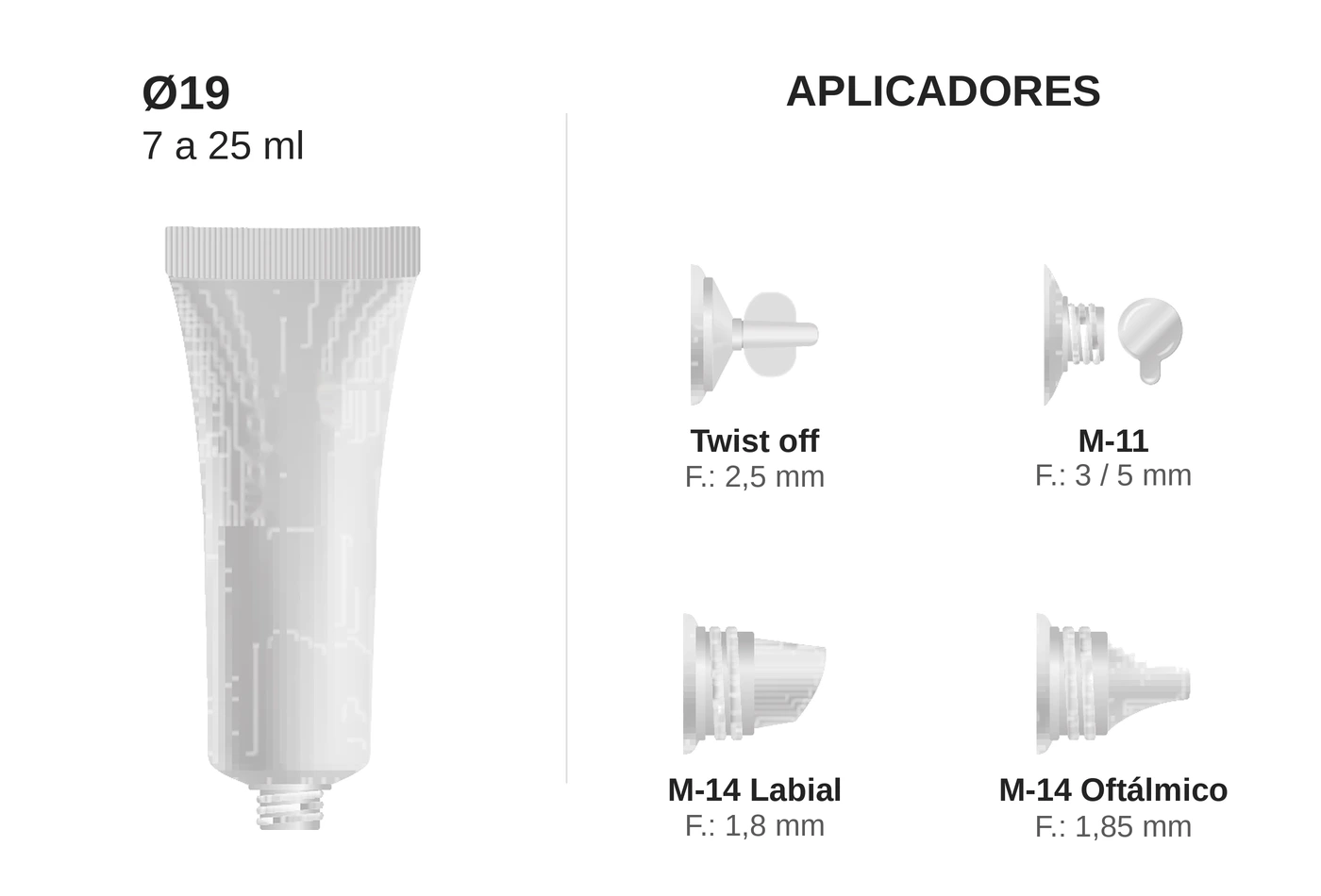
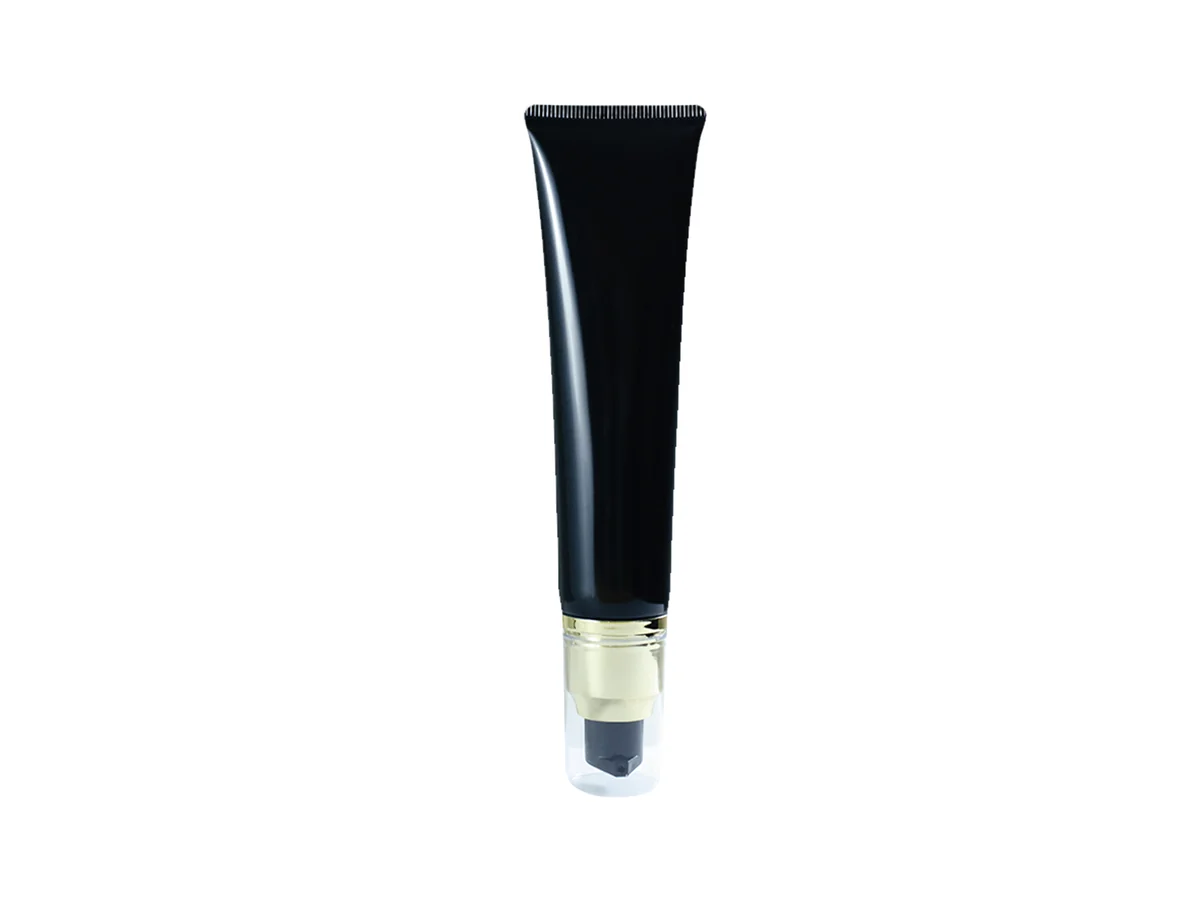
Tube
25 ml · PE · Ø19 mm
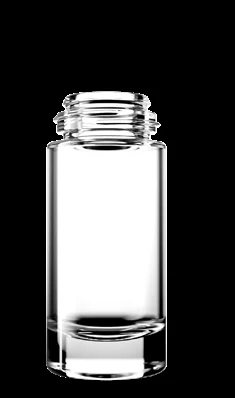
Roll-on
10 ml · Glass
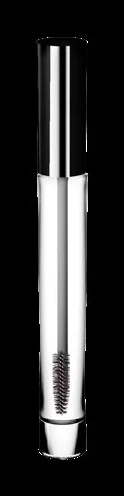
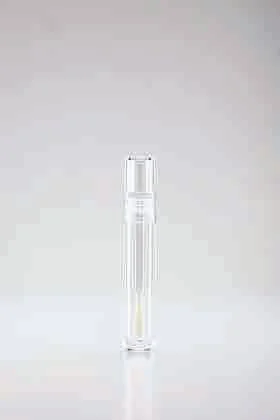
Lip gloss
9 ml · Glass
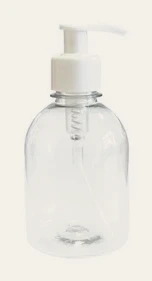
Pump bottle
500 ml · PET · 28/410
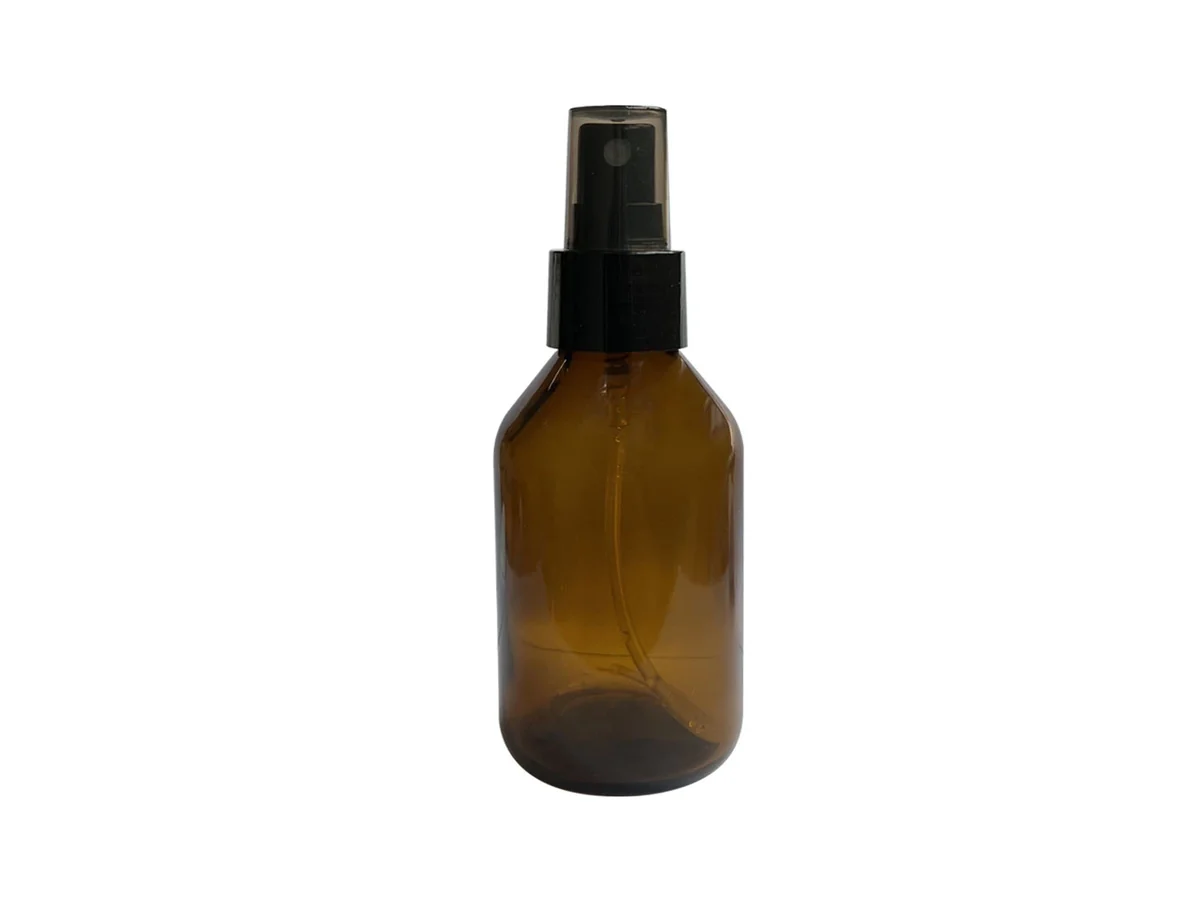
Spray bottle
100 ml · Glass · 24/410
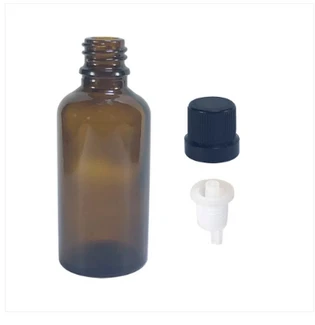
Dropper bottle
10 ml · Glass · 18/410
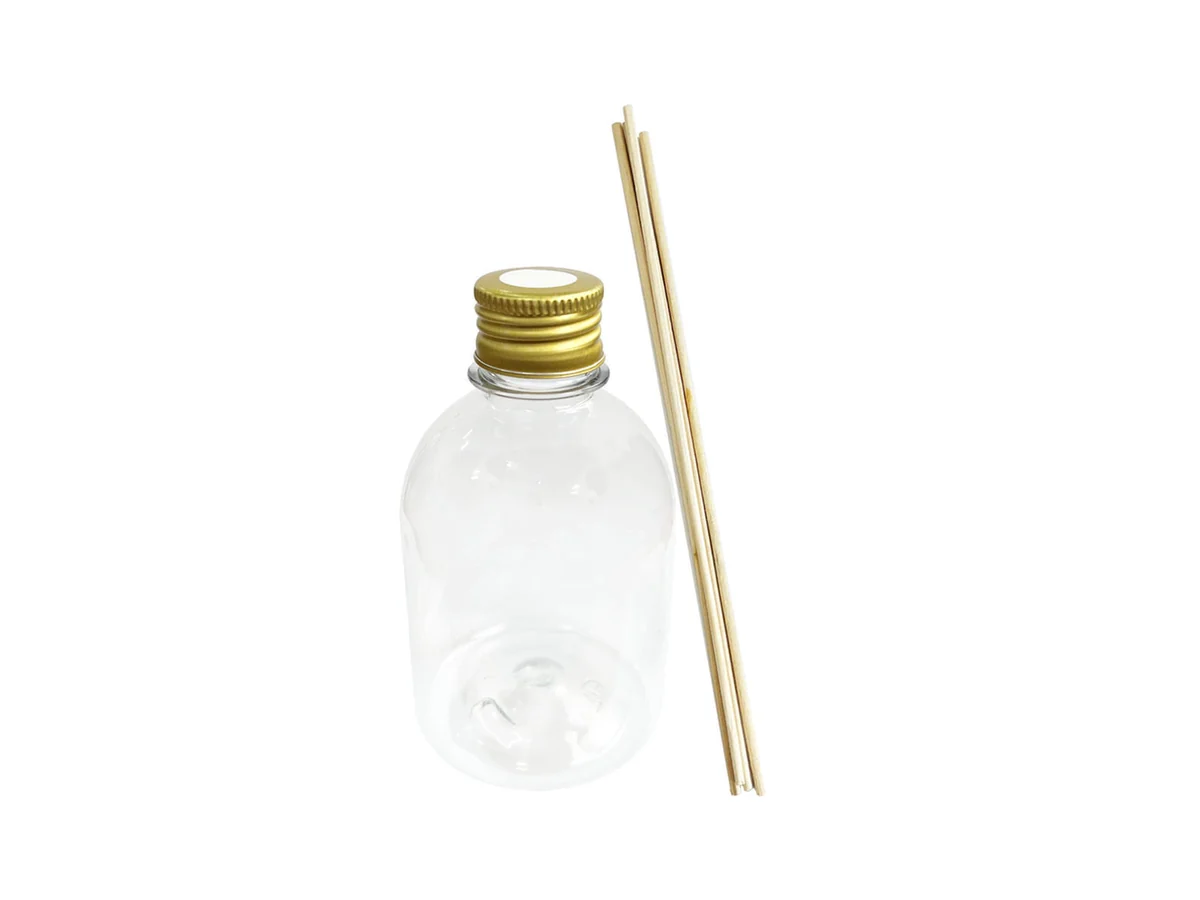
Bottle
250 ml · PET · 28/410
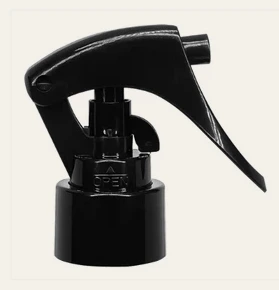
Valve / Cap
24/410 / 28/410 · Plastic
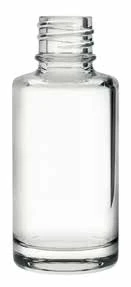
Nail polish bottle
8 ml · Glass · 13/415
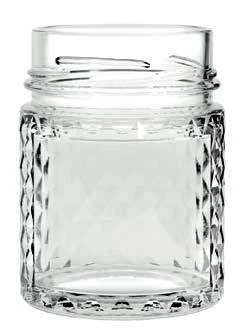
Jar
37 ml · Glass · ESPECIAL 4 ENTRADAS
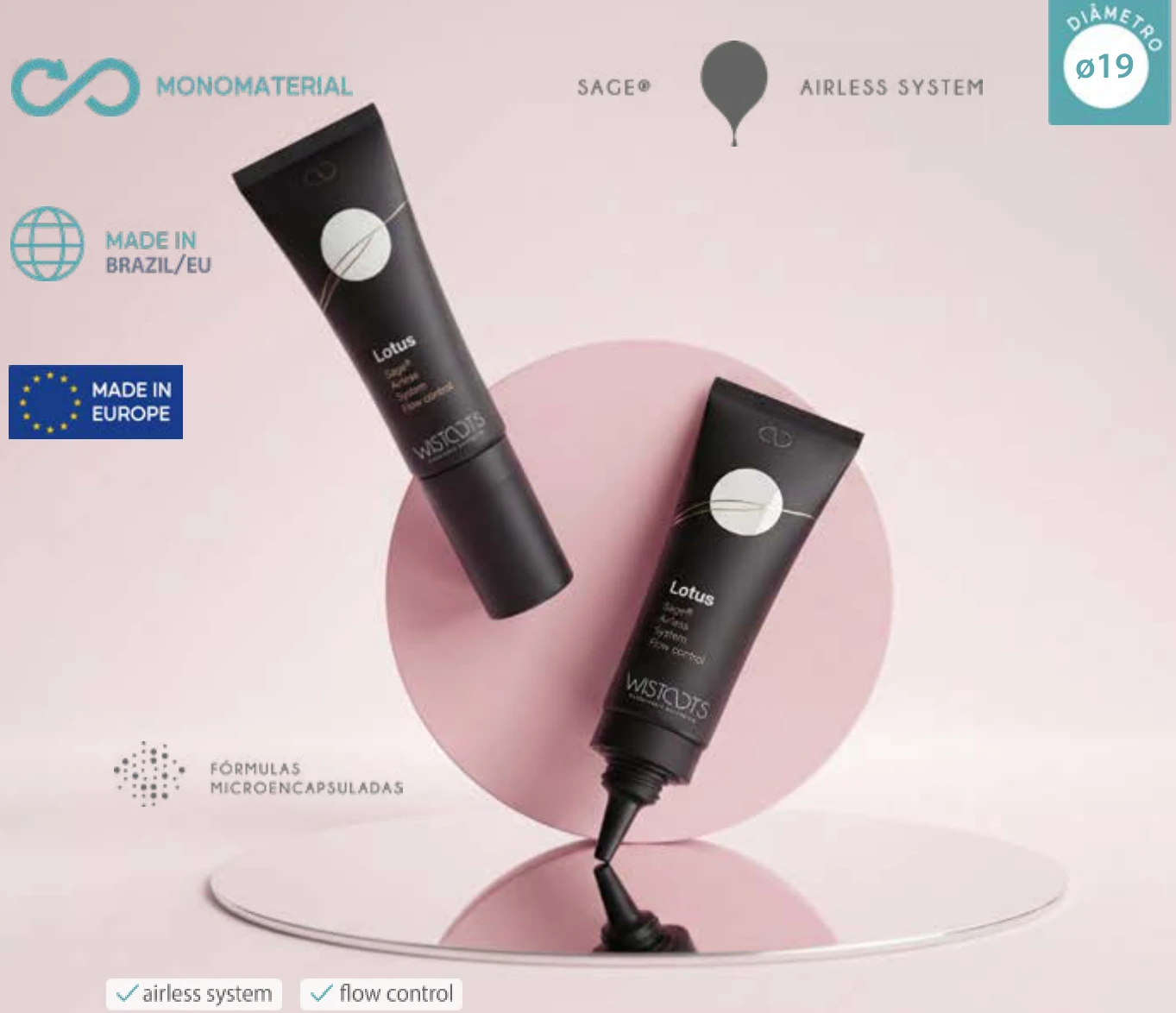
Airless bottle
25 ml · PE
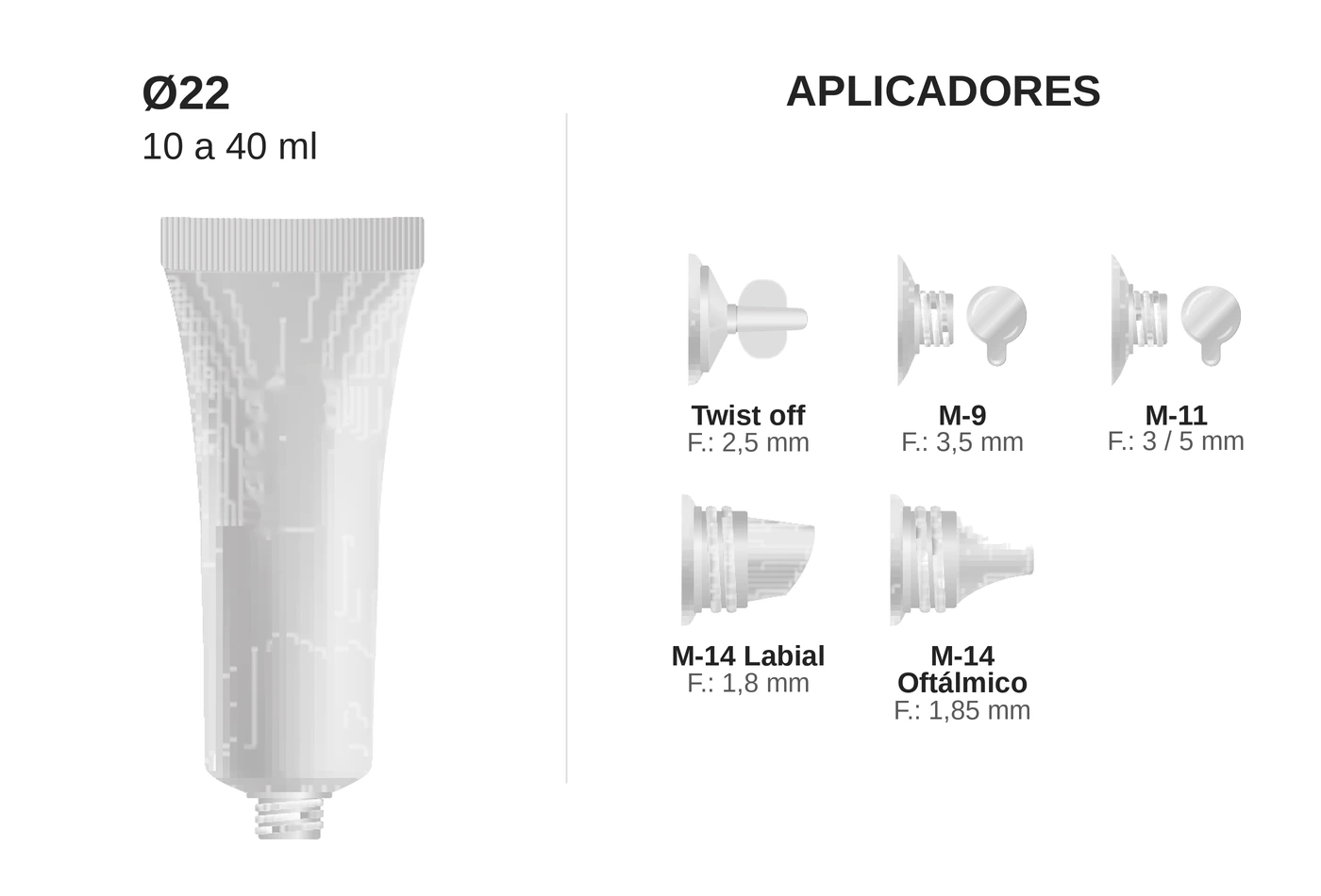
Tube
40 ml · PE · Ø22 mm
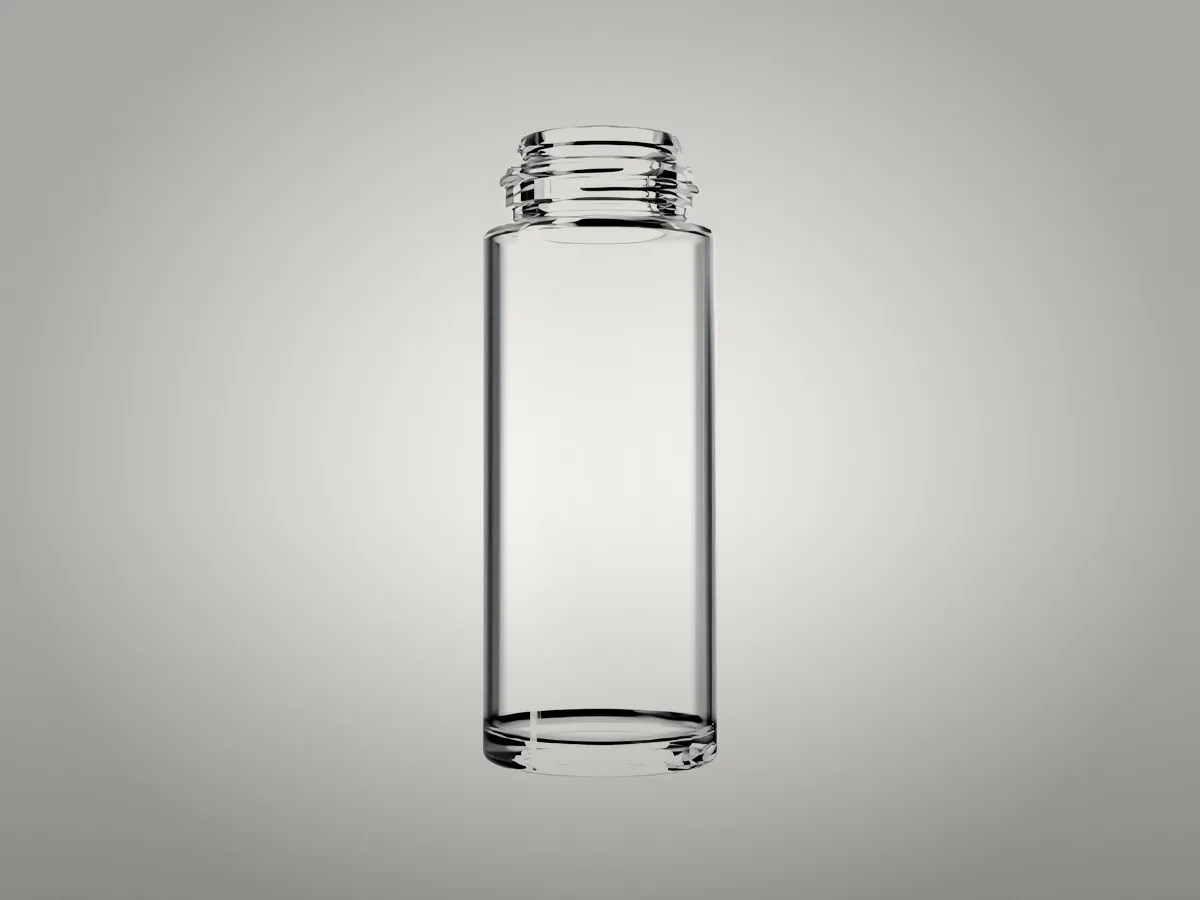
Roll-on
75 ml · Glass
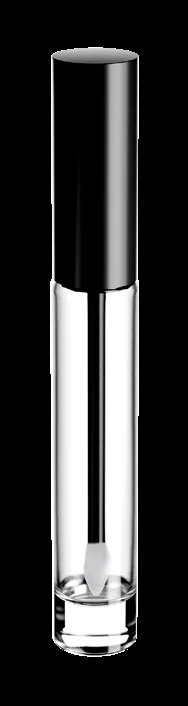
Lip gloss
5 ml · Glass
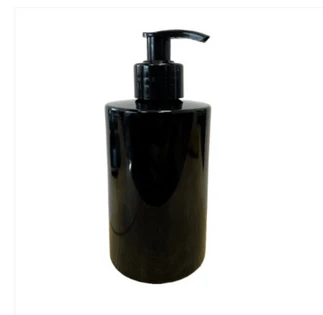
Pump bottle
100 ml · Glass · 28/410
Spray bottle
120 ml · Glass · 24/410
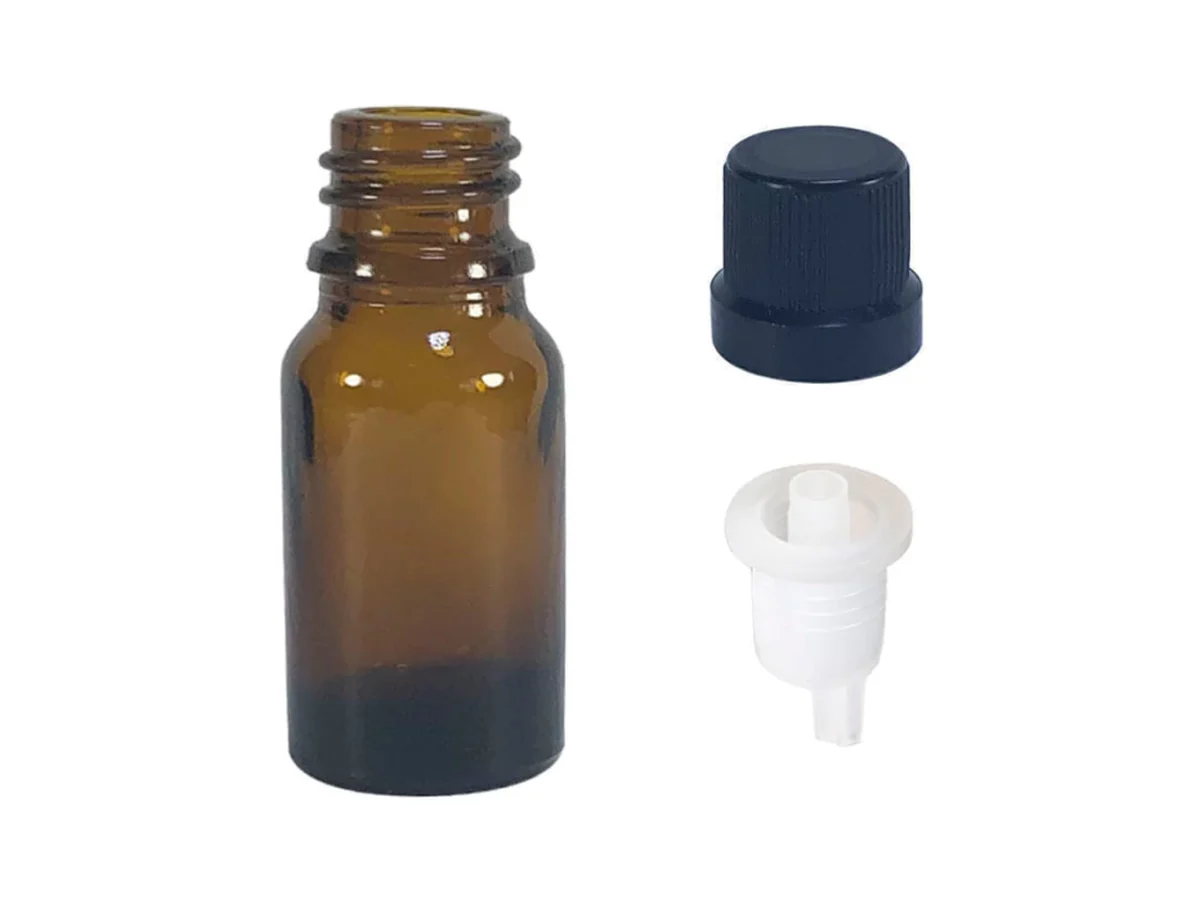
Dropper bottle
15 ml · Glass · 18/410
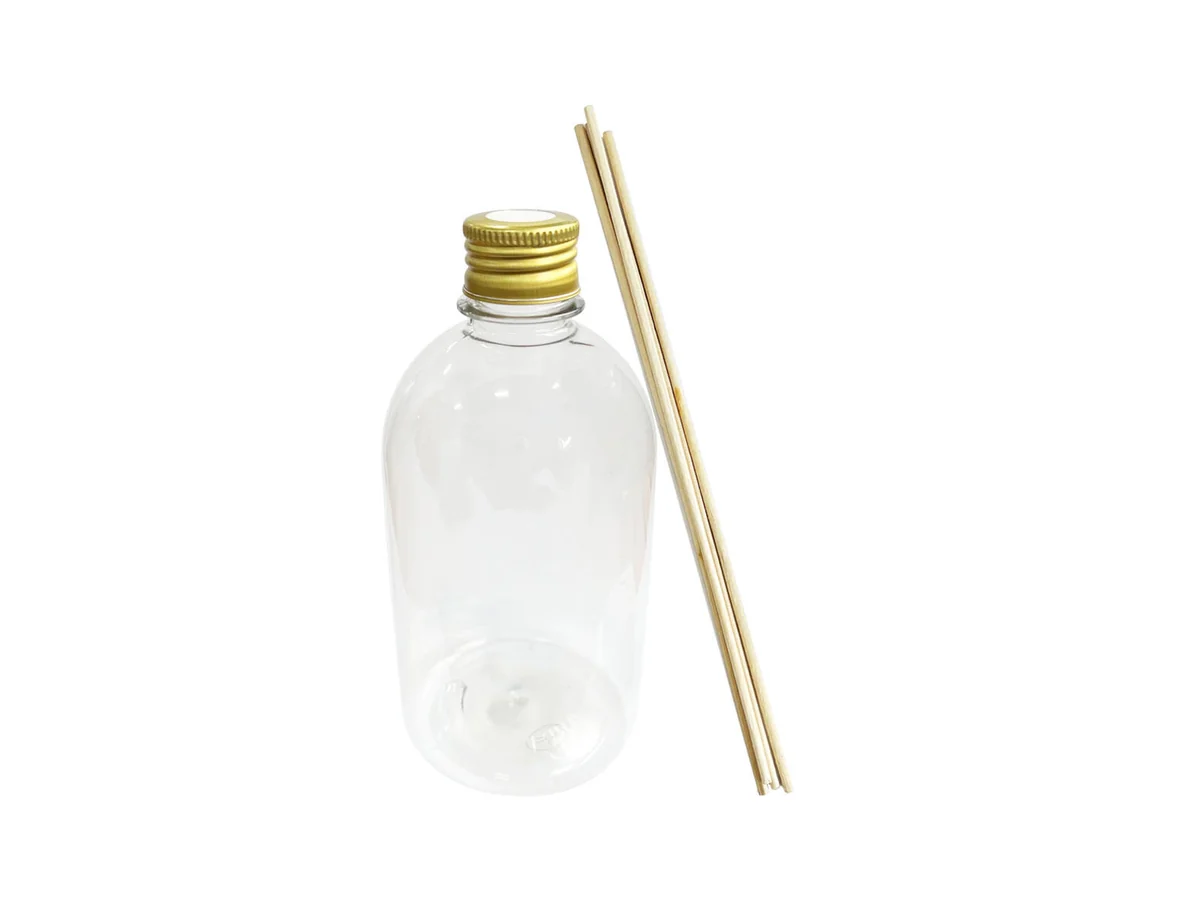
Bottle
500 ml · PET · 28/410
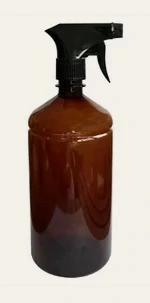
Valve / Cap
28/410 · Plastic
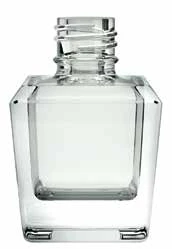
Nail polish bottle
8 ml · Glass · 13/415
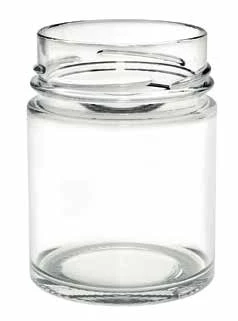
Jar
37 ml · Glass · ESPECIAL 4 ENTRADAS
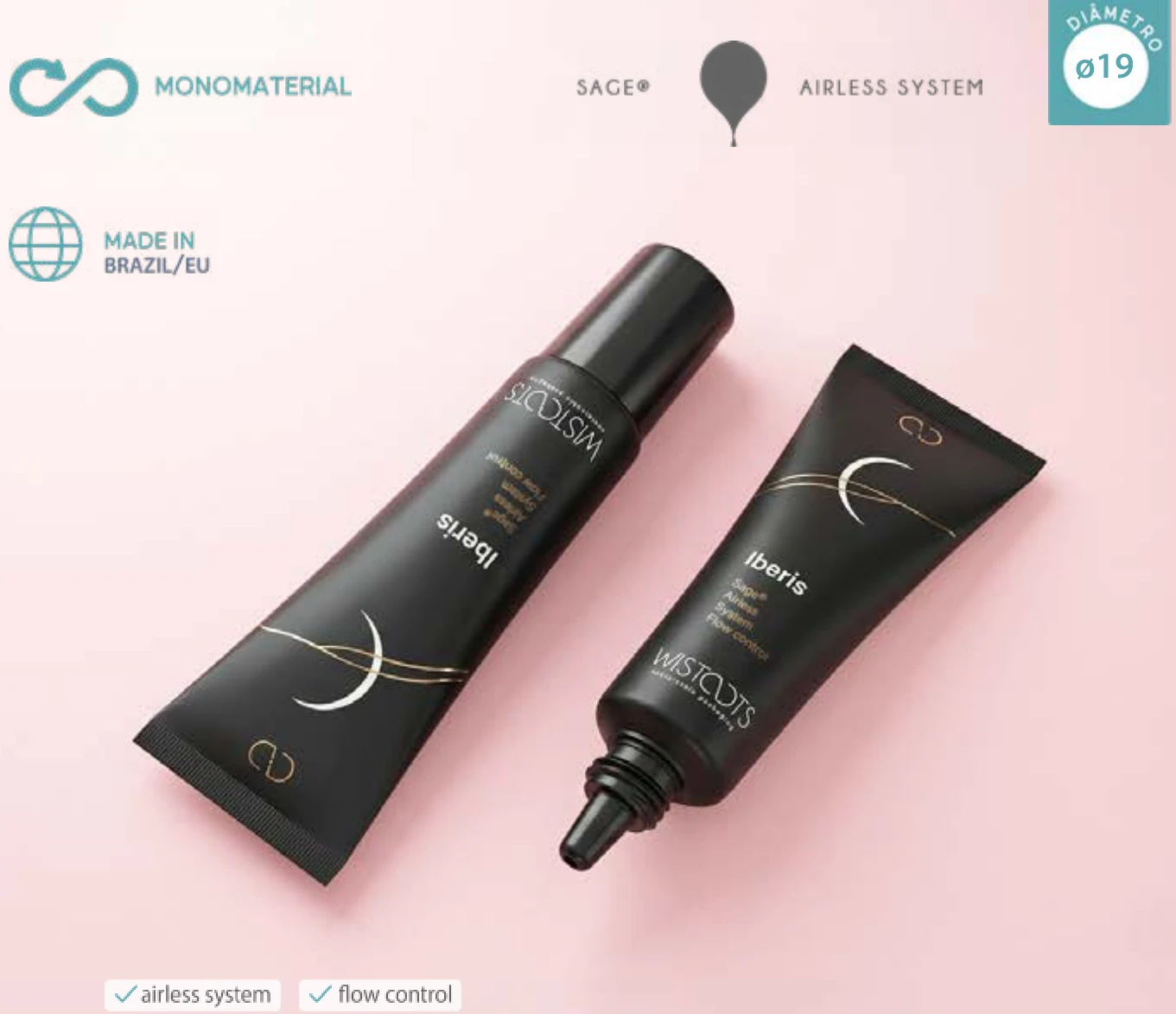
Airless bottle
25 ml · PE
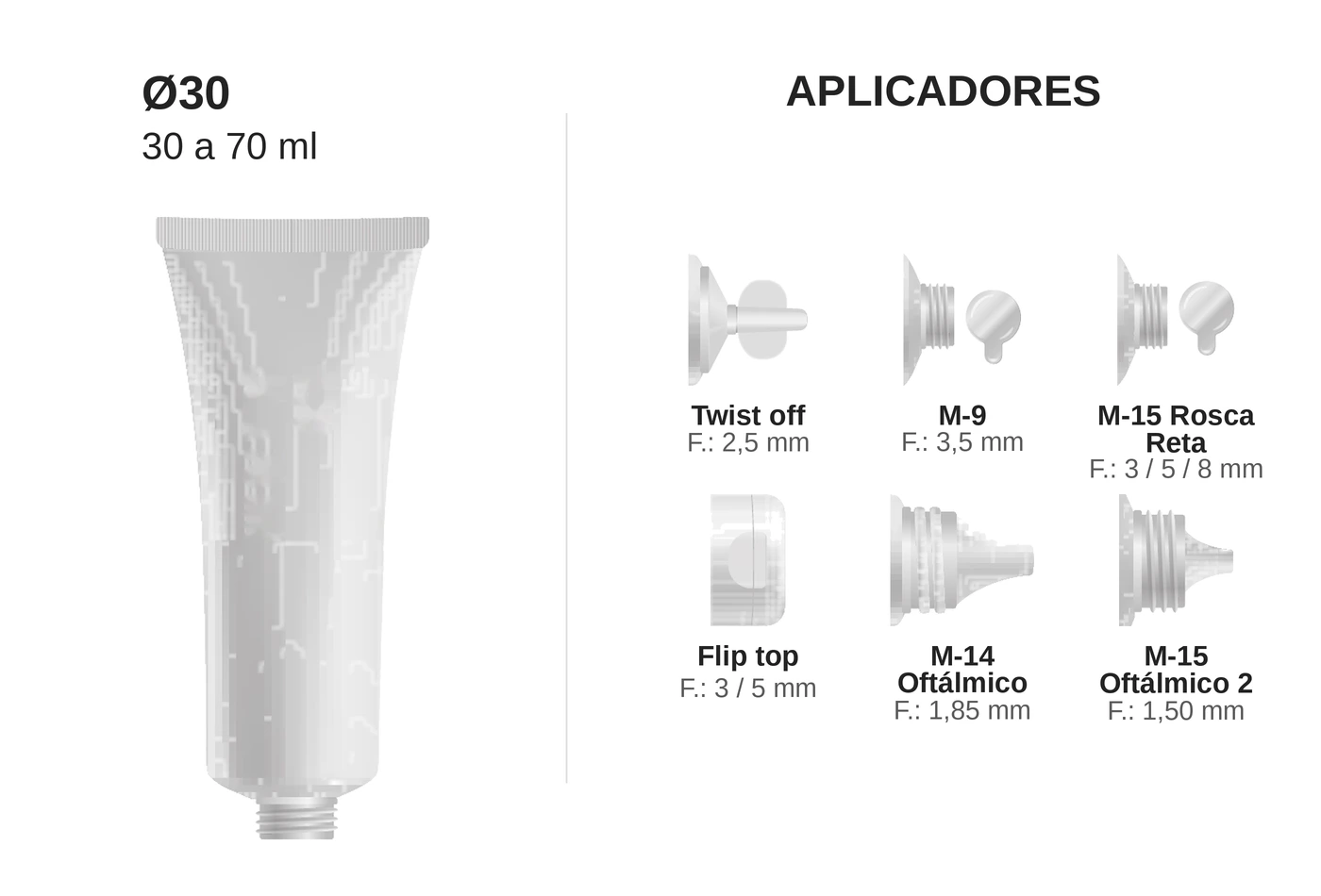
Tube
70 ml · PE · Ø30 mm
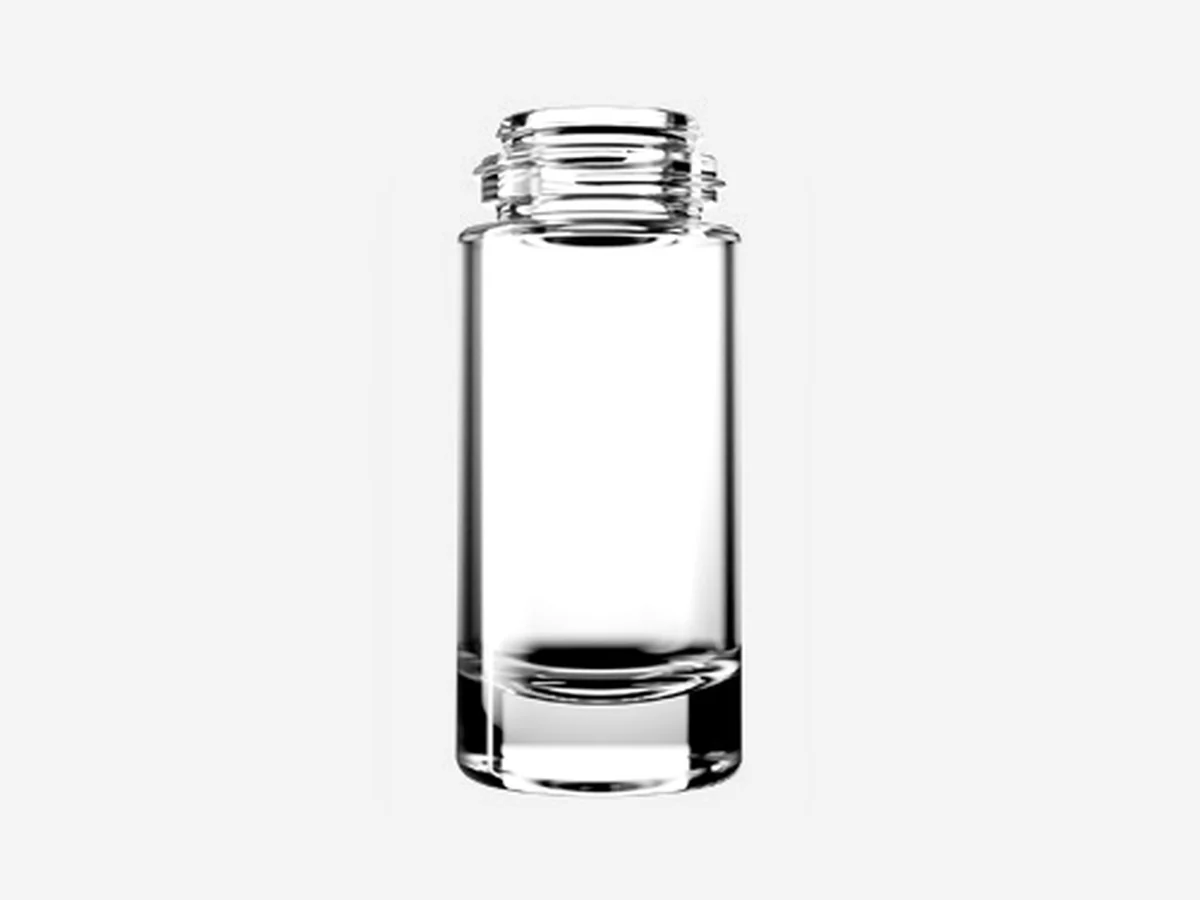
Roll-on
50 ml · Glass
Lip gloss
8 ml · Glass
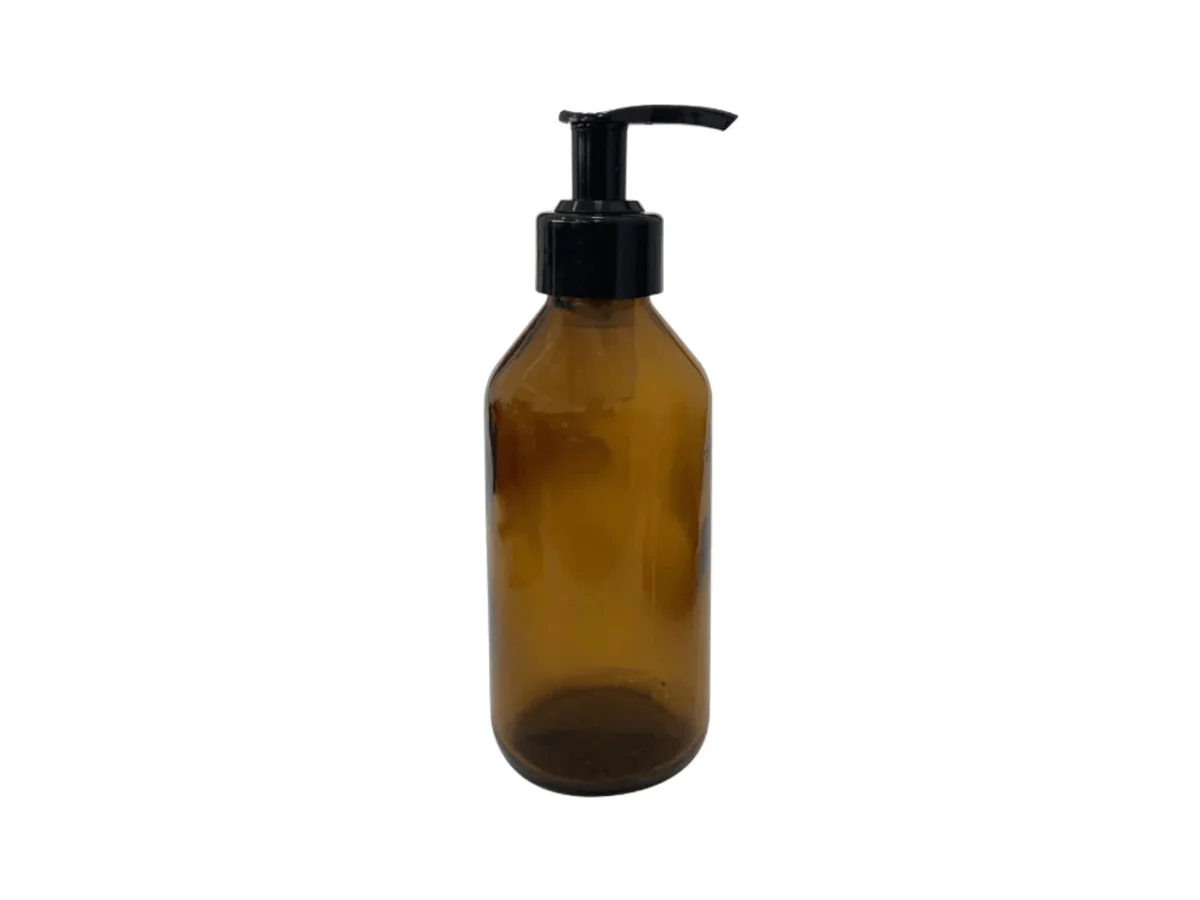
Pump bottle
200 ml · Glass · 28/410
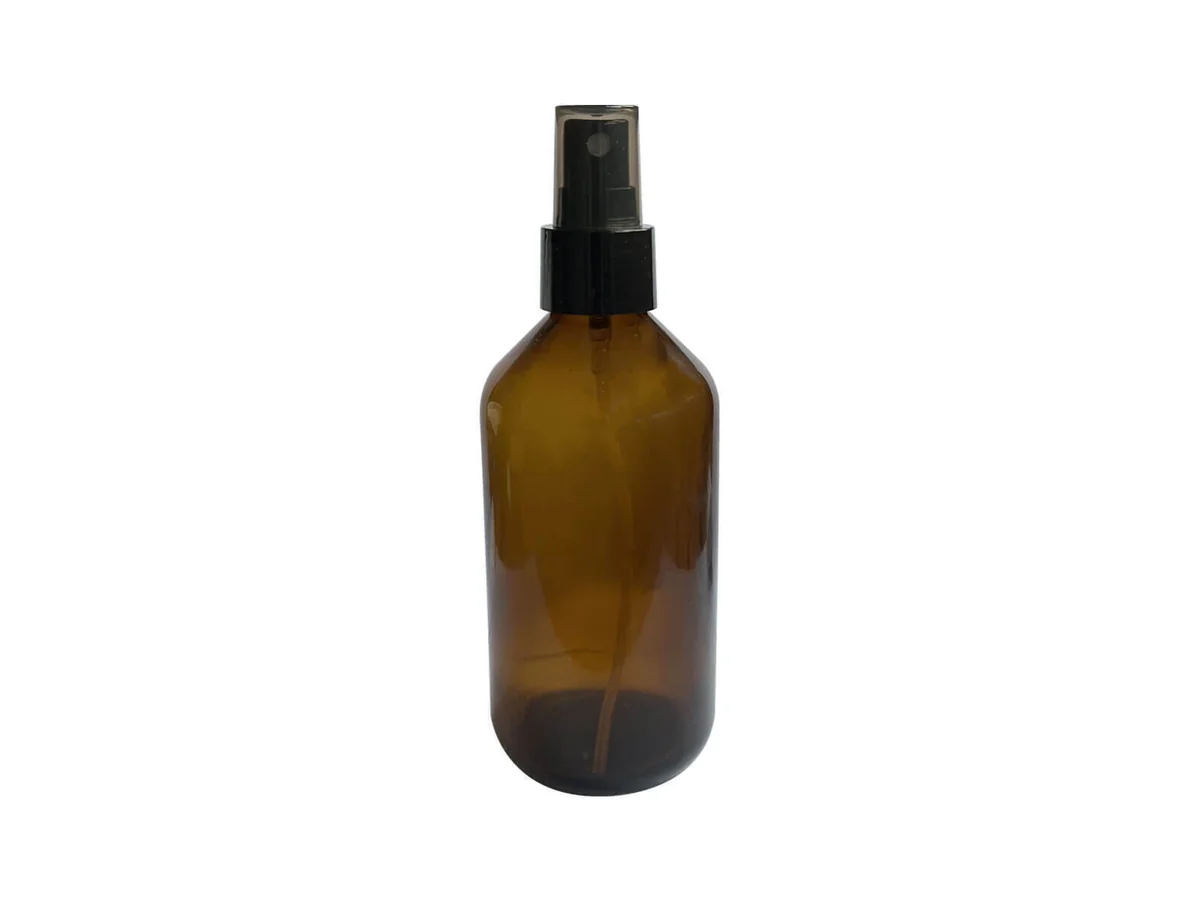
Spray bottle
200 ml · Glass · 24/410
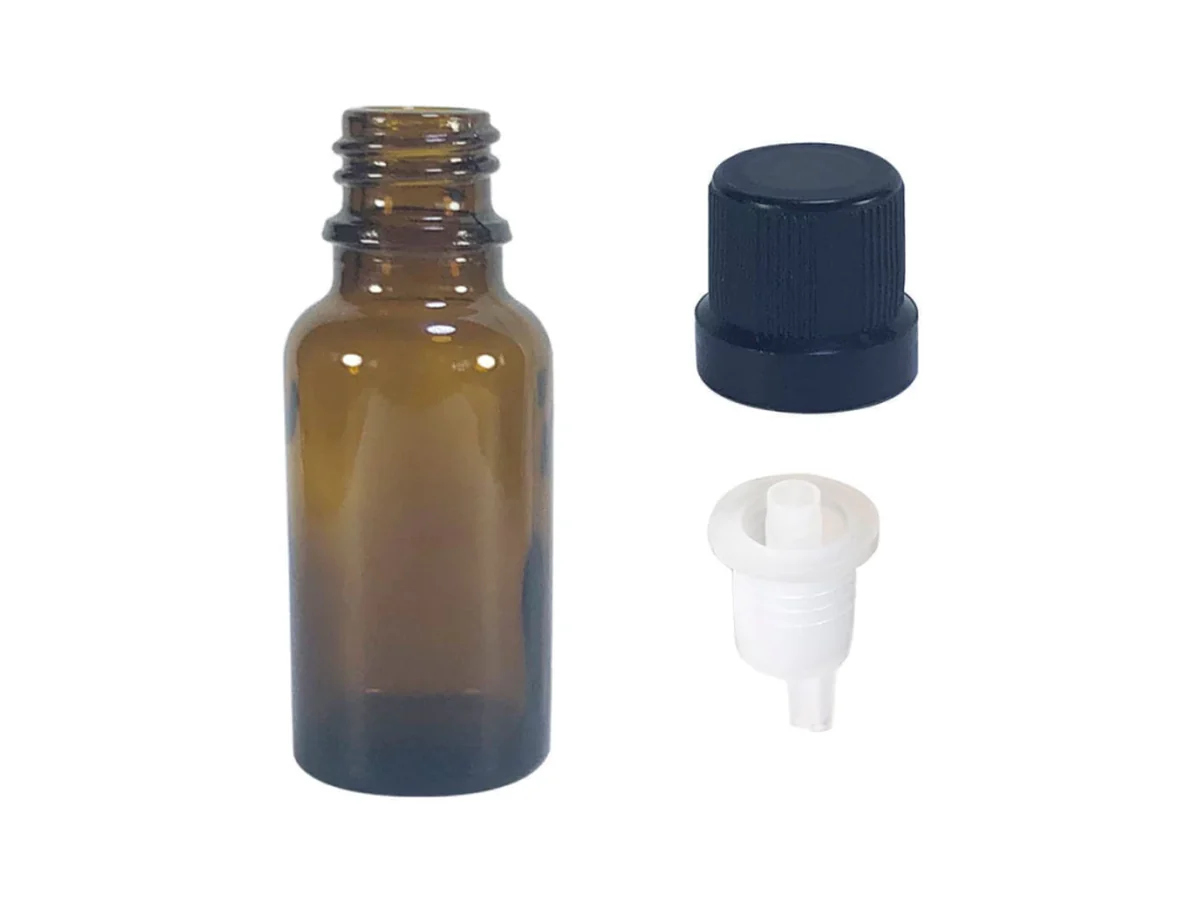
Dropper bottle
20 ml · Glass · 18/410
Bottle
250 ml · PET · 28/410

Valve / Cap
18 mm · LDPE
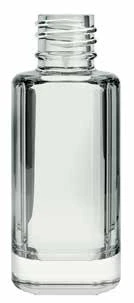
Nail polish bottle
8 ml · Glass · 15/425
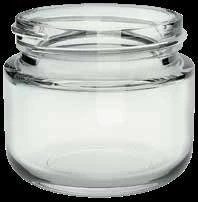
Jar
115 ml · Glass
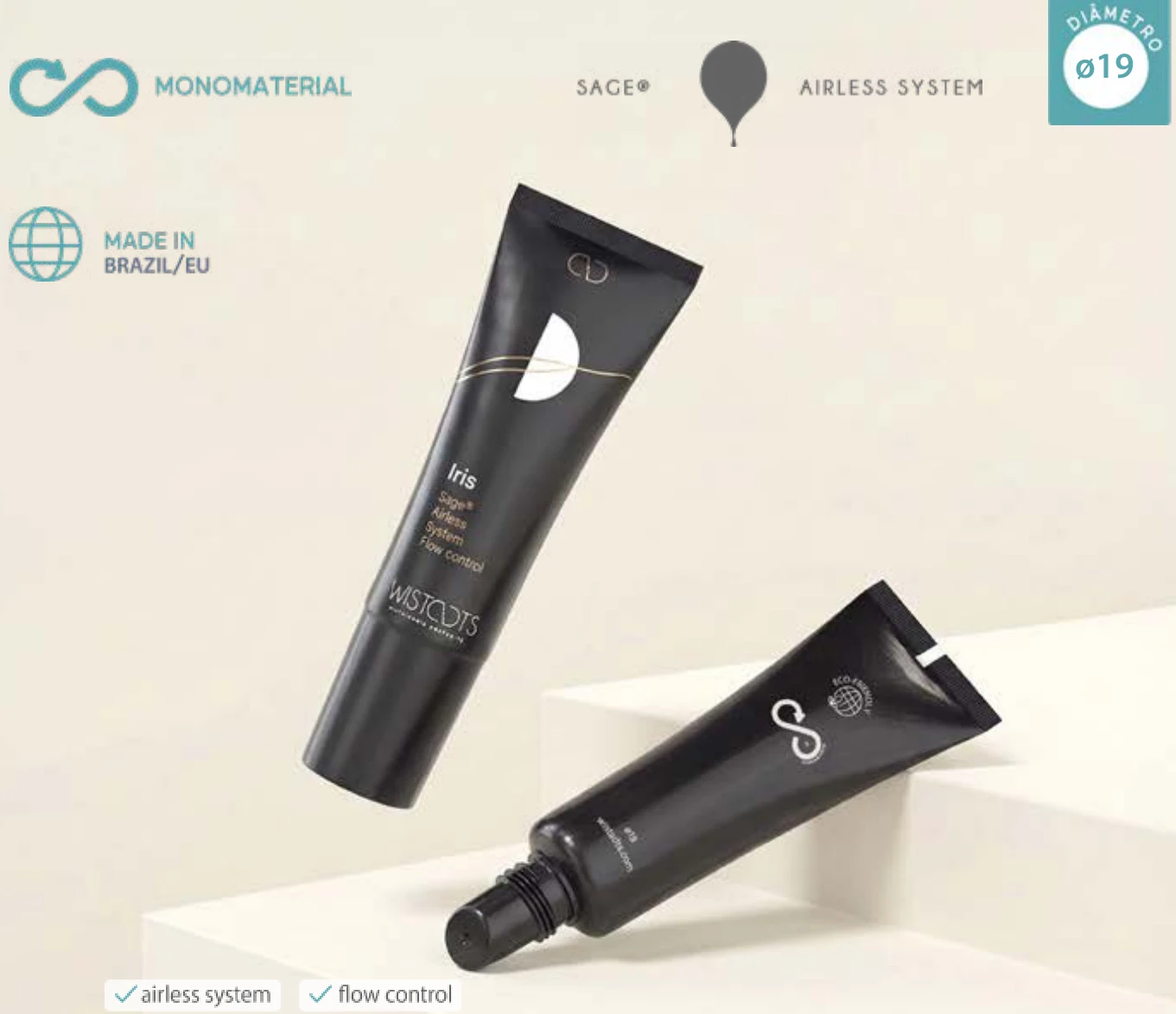
Airless bottle
25 ml · PE
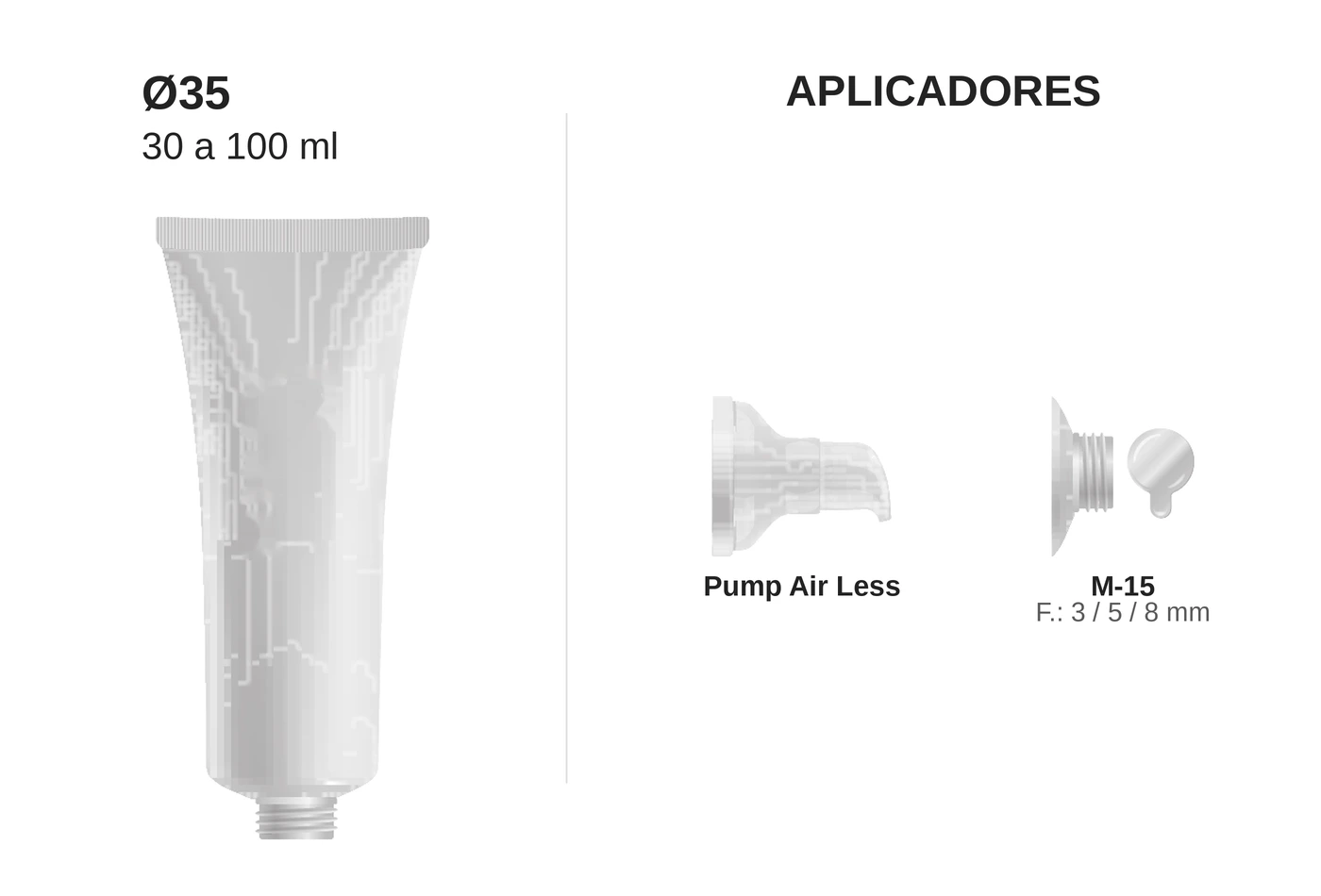
Tube
100 ml · PE · Ø35 mm
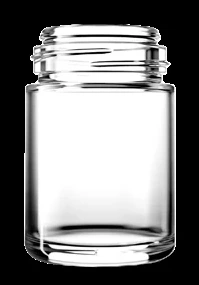
Roll-on
75 ml · Glass
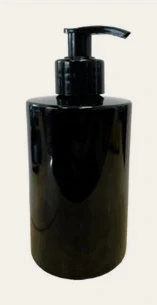
Pump bottle
250 ml · Glass · 28/410
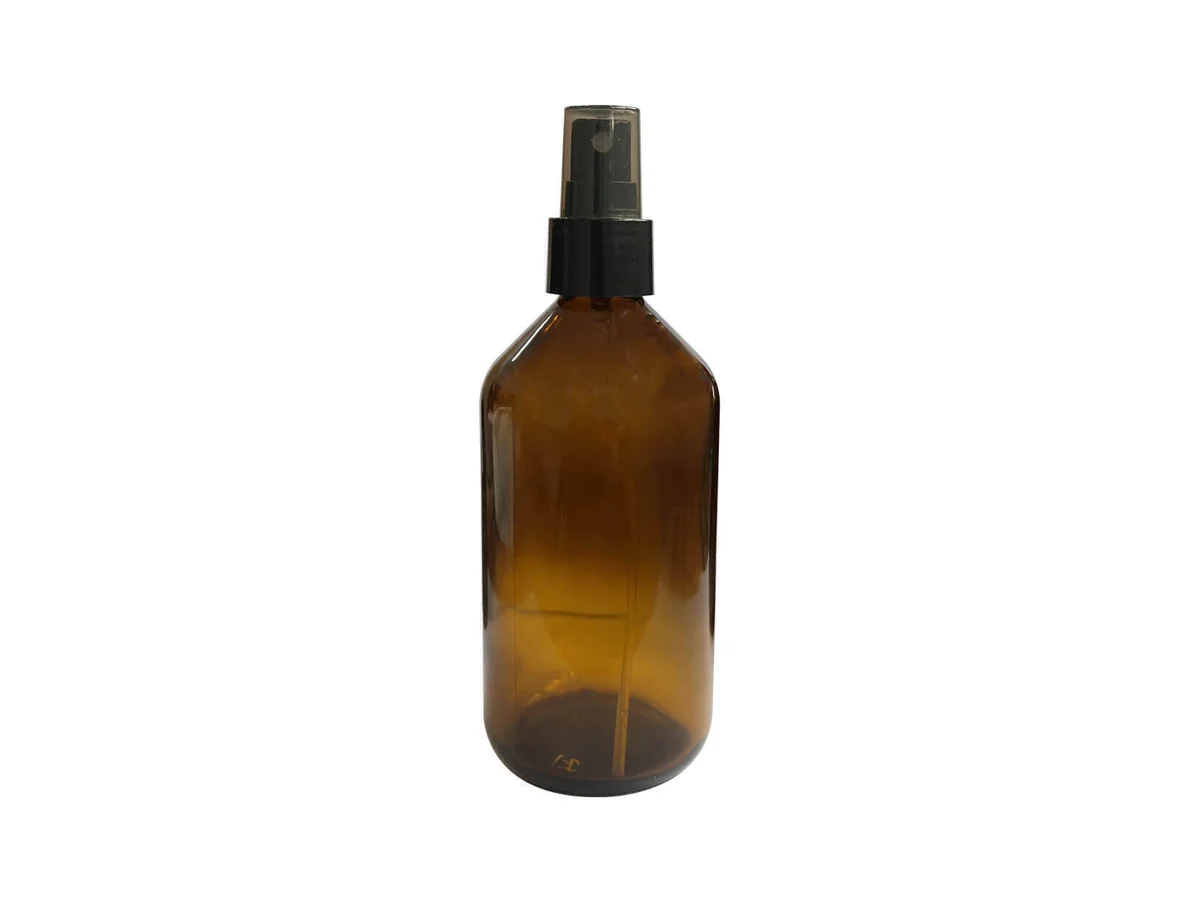
Spray bottle
250 ml · Glass · 24/410
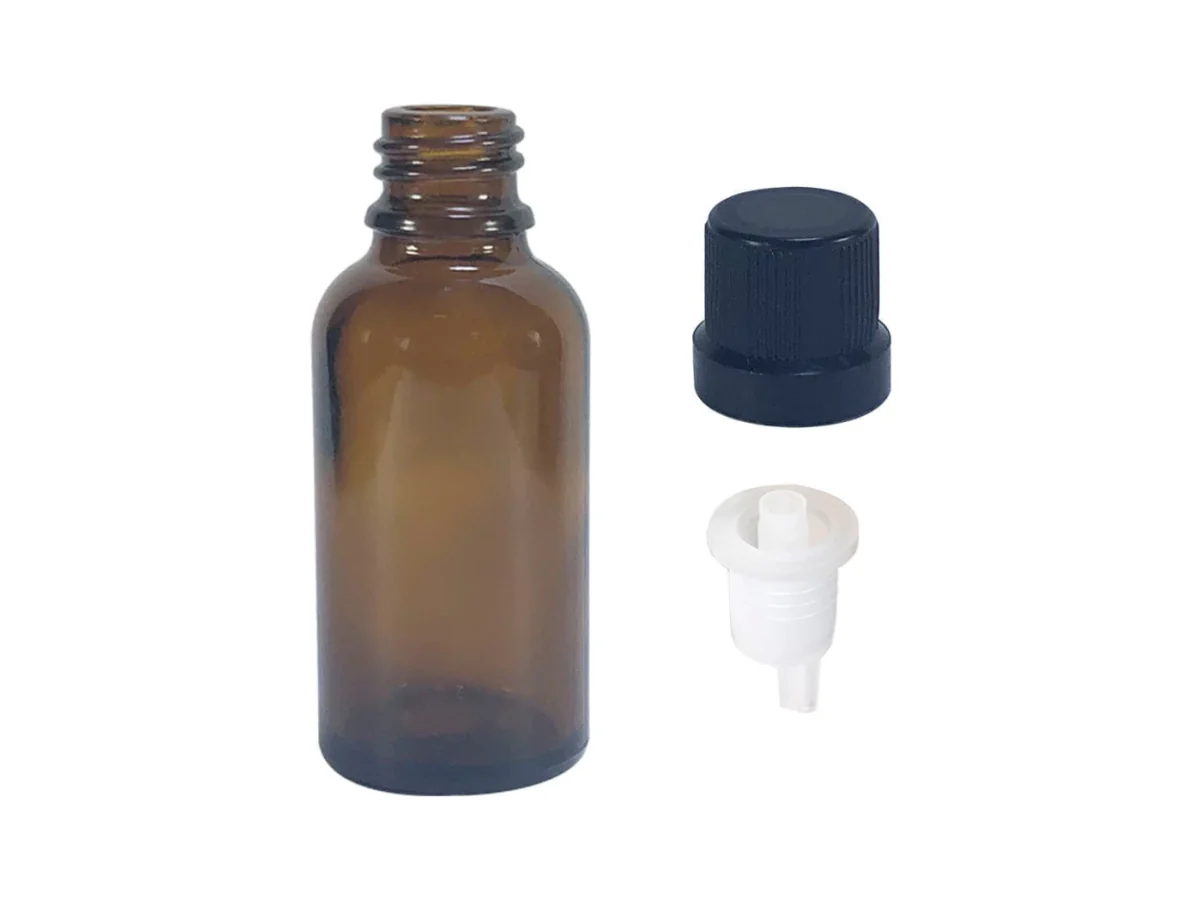
Dropper bottle
30 ml · Glass · 18/410
How this archive works
The archive brings together packaging from supplier partners Private works with on contract manufacturing projects. Supplier names are not shown here: negotiation, purchasing and packaging quality control stay with our team, inside your brand's project.
A technical record counts as complete when it states the material and the measurement that decides the fit: volume plus dimensions or neck finish for bottles and jars, and neck finish or dimensions for valves and caps. Items with complete records get their own page; the rest appear in search with the data available.
Compatibility with your formula is not assumed from the record. It is confirmed during development, with a stability test of the real formula in the chosen pack, before the batch.
Packaging decides more of a project than it first appears. It drives formula compatibility, shelf life after opening, unit cost and perceived value on shelf. That is why the choice enters development early, alongside the formula, rather than at the end.
Archive quick facts
- Packaging items catalogued
- Over 1,800
- Packaging types
- Bottles, jars, tubes, pumps and caps, applicators and makeup packaging
- Most served applications
- Facial skincare, body care, haircare, fragrance and personal hygiene / bath
- Most frequent materials
- Glass · PET / PETG · Polyethylene (PE / HDPE / LDPE) · Polypropylene (PP)
- Most common neck finishes
- 24/410 · 28/410 · R18 · 24/415
Questions from people choosing packaging
How do I know whether a packaging material is compatible with my formula?
Compatibility is confirmed by testing, not by a table. The general principle: formulas with essential oils or high alcohol content attack certain plastics and call for glass or HDPE; extreme pH can react with metal; light-sensitive actives need amber glass or opaque packaging. The standard test is filling the real formula into the candidate pack and monitoring it for weeks under controlled temperature, watching for deformation, leakage, colour change and loss of active.
What is a neck finish and why does it matter so much?
The neck finish is the standardised measurement of the opening, written as two numbers, for example 24/410. The first is the neck diameter in millimetres, the second is the standard for thread height and pitch. It matters because it defines what fits: a 24/410 bottle accepts any 24/410 cap, pump or valve from any supplier. Choosing the closure before locking the neck is the most common cause of rework.
How do I choose the right pack volume?
Start from real use, not a round commercial number. Work out how much product one application uses and multiply by frequency and the duration you want: a serum at 3 drops a day lasts roughly two months in 30 ml. Too large and the product expires open before it is finished; too small and it reads as expensive. With sensitive actives, smaller volume helps, because it shortens exposure after opening.
What is the difference between HDPE and PET, and when should I use each?
HDPE is opaque, flexible and has a good chemical barrier, which suits shampoo, conditioner and aggressive or alkaline formulas. PET is clear, rigid and glossy, with a good gas barrier, chosen when the brand wants the product visible, as with oils and toners. In practice: if the formula needs protection and the brand accepts opacity, HDPE. If showing the product is part of the appeal and the formula is stable, PET.
What changes between an airless bottle and a standard pump?
A standard pump has a dip tube reaching the bottom and, at every stroke, lets air in to replace the product removed. Airless uses a piston that rises as the content is used, with no air entering. The difference shows up in two places: preservation, because airless protects actives that oxidise such as vitamin C and retinol; and yield, because airless leaves far less residue. Airless costs more and will not take very thick formulas.
Glass or plastic: which should I choose?
Glass gives a superior barrier, reacts with almost no formula and signals value, but it adds freight weight, breaks and limits shape. Plastic is light, resilient and accepts more shapes and colours at lower cost, but demands attention to chemical compatibility and barrier. Skincare with unstable actives and fragrance usually go to glass. Large volumes, bath products and children's products usually go to plastic.
How long does it take to define packaging for a project?
Definition usually runs in parallel with formula development, and what drives the timeline is part availability. Stock packaging already held by the partner resolves quickly. Made-to-order parts, or anything needing new tooling such as a specific pan diameter, add weeks. That is why packaging choice enters the project early rather than at the end.
Is there a minimum run to manufacture my product with packaging from the archive?
Yes, and it varies by part. Private manufactures the finished product, so the project minimum considers formula and packaging together: stock packaging in a standard colour and finish allows smaller runs, while a custom colour, decoration and a dedicated mould raise the minimum. You do not need to know this upfront. Add what makes sense for the product to your project, and the technical review comes back with the minimum, lead time and alternatives for each item.
Cosmetics manufacturer · Packaging archive
Choose the packaging alongside the formula
Add the packaging that fits your product to your project and tell us in a few questions what you want to manufacture. The technical team reviews packaging and formula together and replies with feasibility, lead time and next steps.