Archive · over 150 options
Jars for cosmetics
A jar is the wide-mouth pack used for dense products such as facial cream, body butter, hair mask and scrub. The wide mouth lets the user scoop product with a spatula or fingers. The archive holds over 150 options, from 4 to 1,000 g and from 3 to 1,000 ml.
The jar's weak point is exposure: at every opening the whole content meets air and, when fingers are involved, microorganisms. That weighs on the preservative system and shortens shelf life after opening. Formulas with a light preservative load or an unstable active usually move to airless.
Quick facts
- Options in the archive
- Over 150
- Volume range
- 4 to 1,000 g · 3 to 1,000 ml
- Most frequent materials
- Glass · Polyethylene (PE / HDPE / LDPE) · Acrylic / AS / ABS · Polypropylene (PP)
How to choose
First confirm the formula tolerates exposure: a jar suits a stable, well-preserved cream; an active that oxidises calls for airless. Choose the material by positioning and logistics: glass signals value but is heavy and breakable, PP and HDPE are light and tough, and double-wall acrylic looks like glass while the product only touches the inner cup. Insist on an inner seal, disc or liner, for transport. Finally match the mouth to use, wide for hair mask and narrower for facial cream.
Development lines that use this packaging
Search and filter
Search by type, volume, neck finish or material. E.g.: · · ·
All options
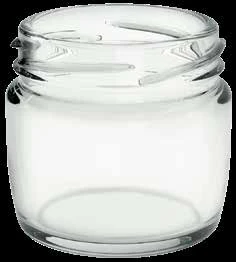
130 ml · Glass
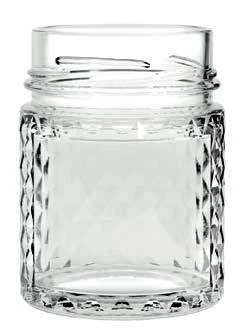
37 ml · Glass · ESPECIAL 4 ENTRADAS
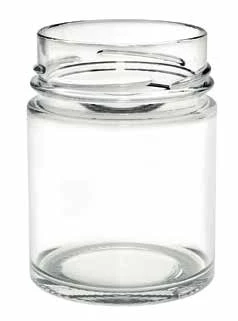
37 ml · Glass · ESPECIAL 4 ENTRADAS
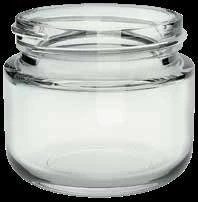
115 ml · Glass
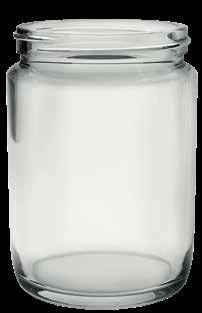
118 ml · Glass
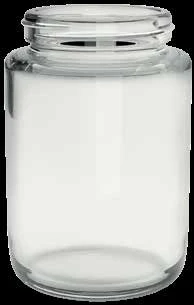
243 ml · Glass
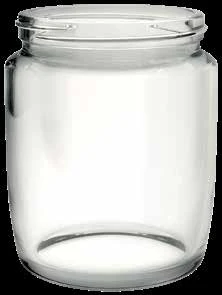
243 ml · Glass
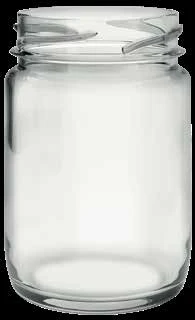
119 ml · Glass
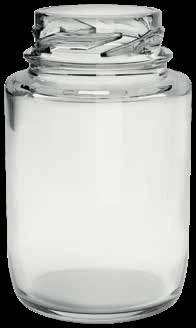
236 ml · Glass
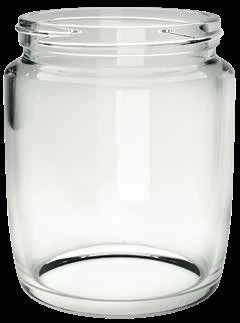
236 ml · Glass
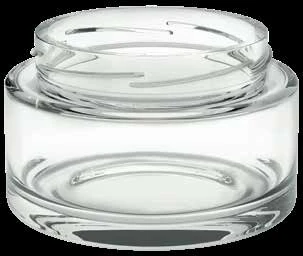
180 ml · Glass · TP 70 mm
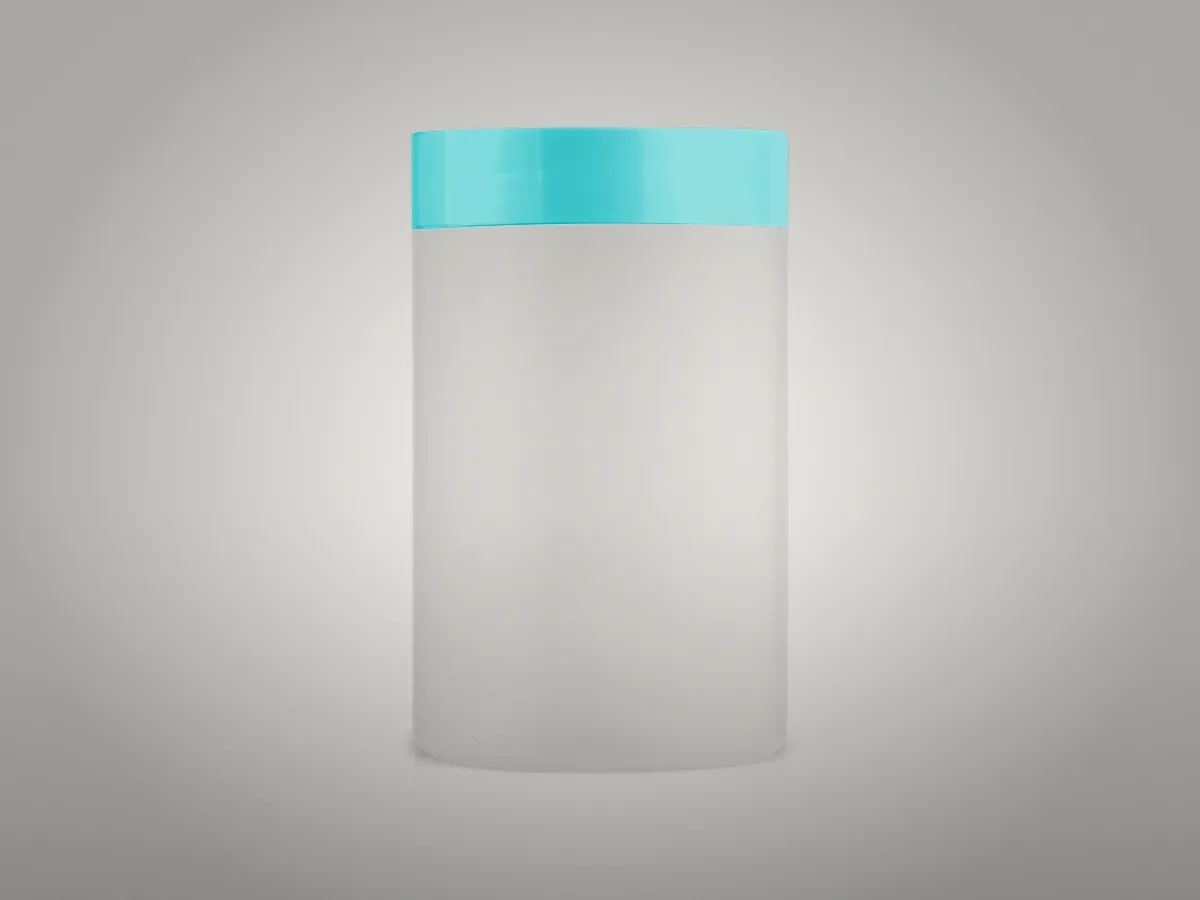
1,000 g · HDPE
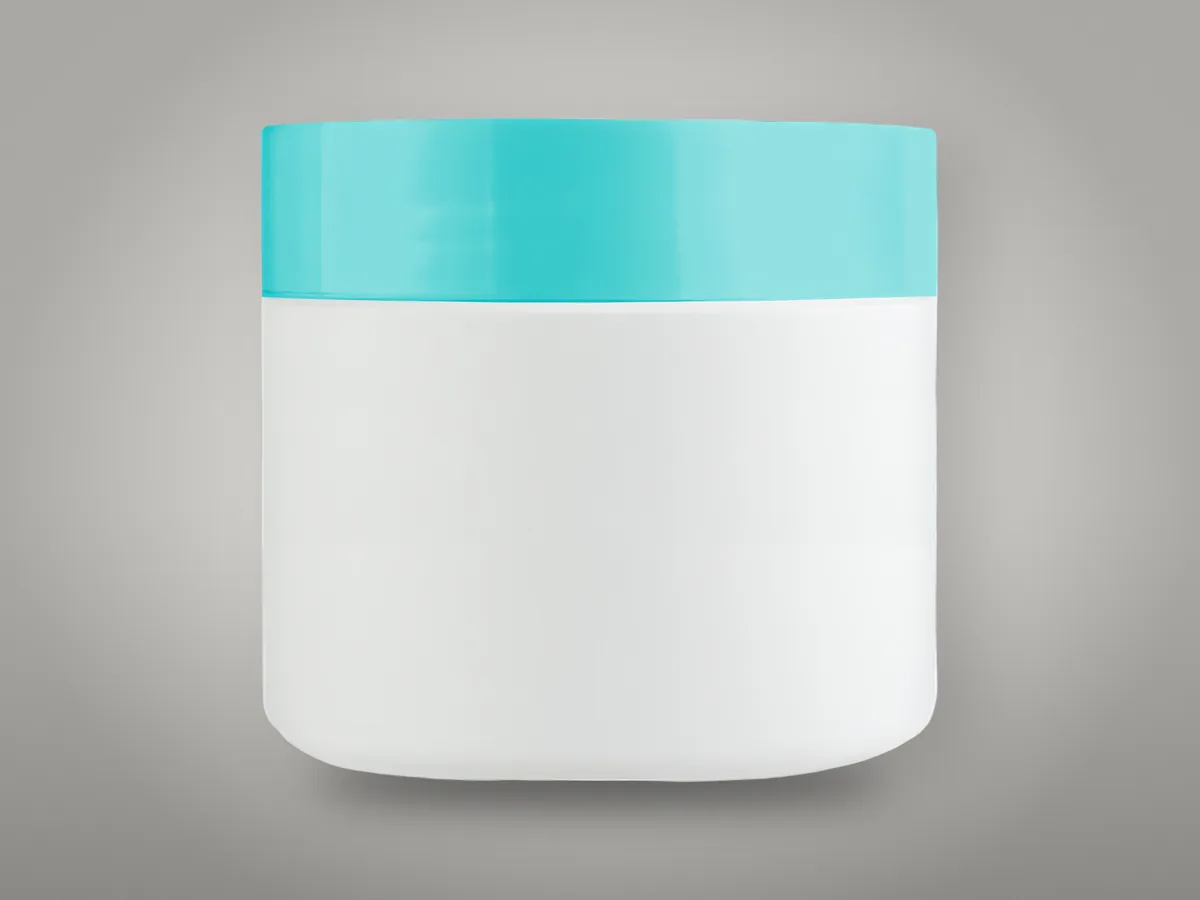
500 g · HDPE
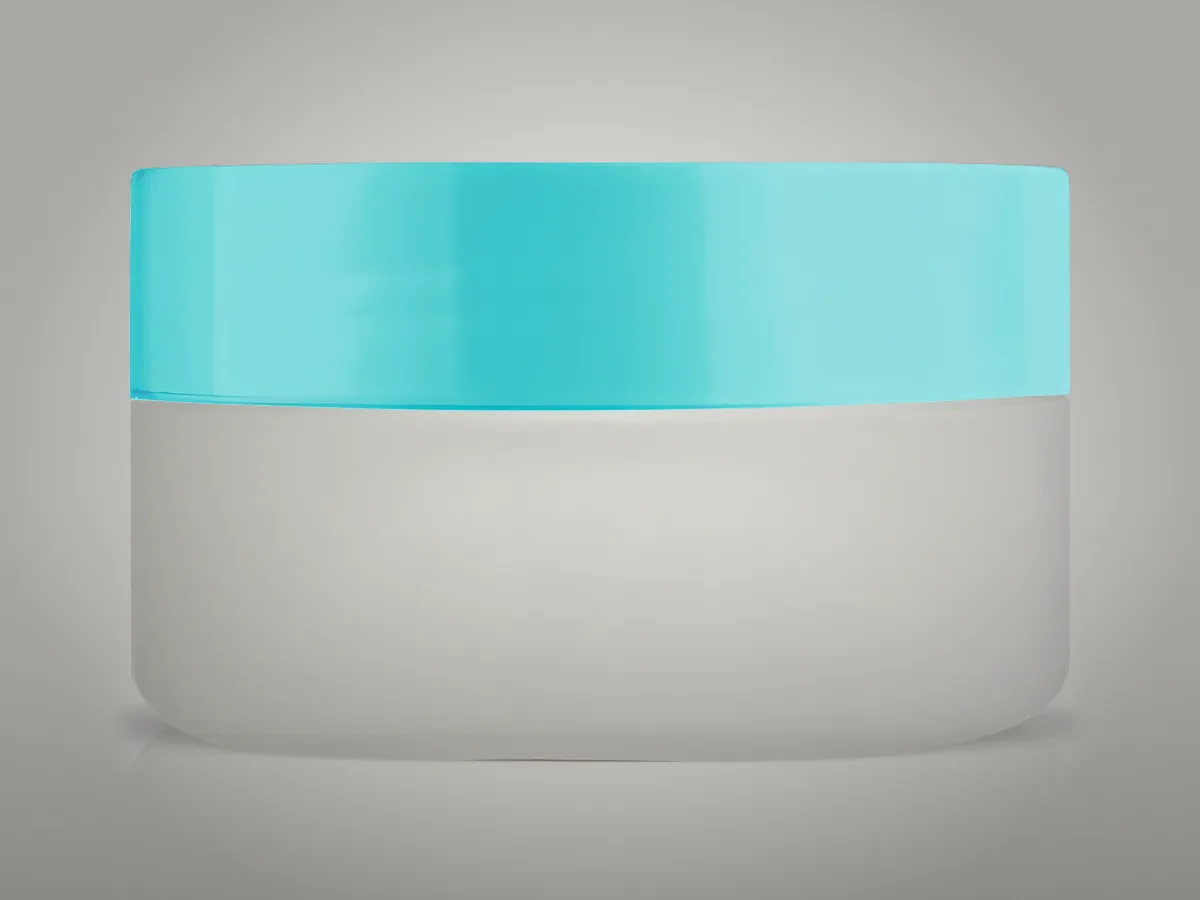
300 g · HDPE
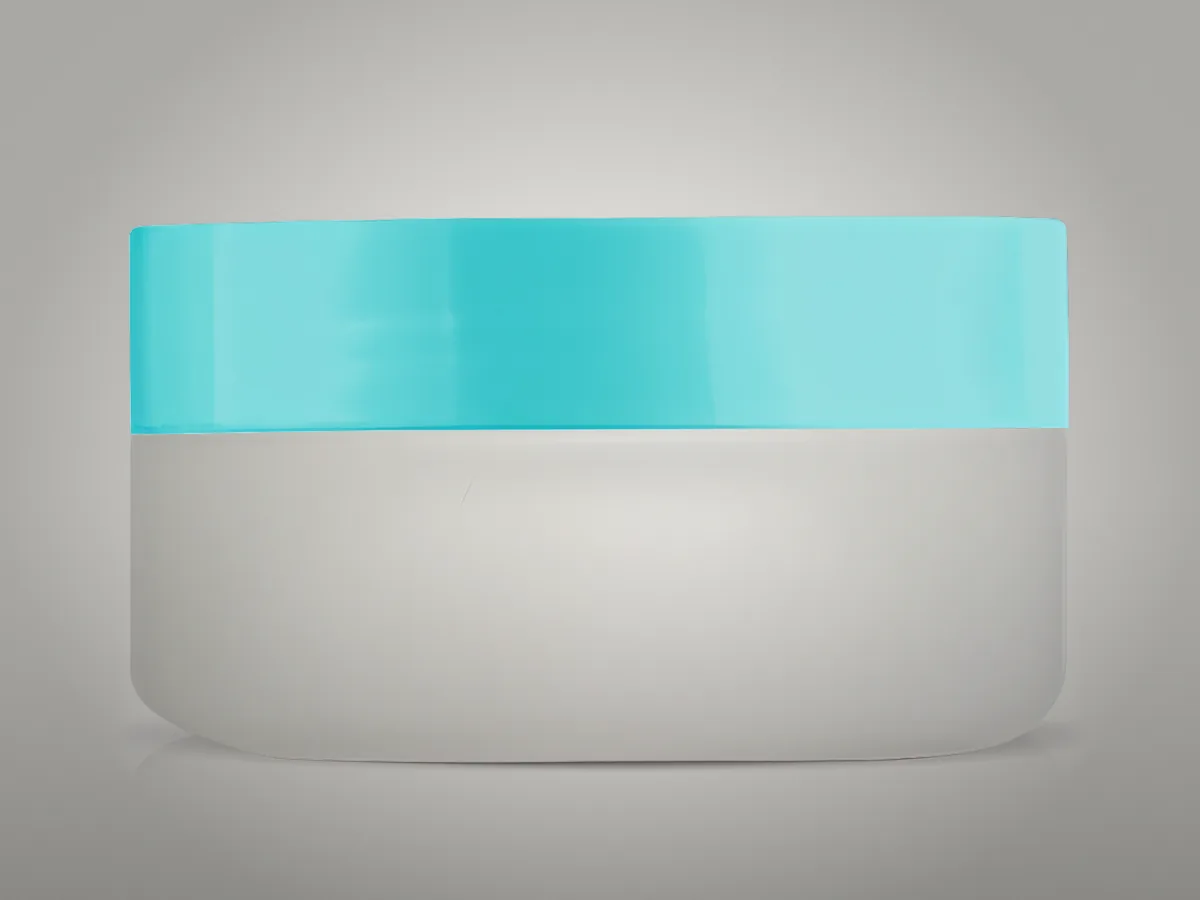
150 g · HDPE
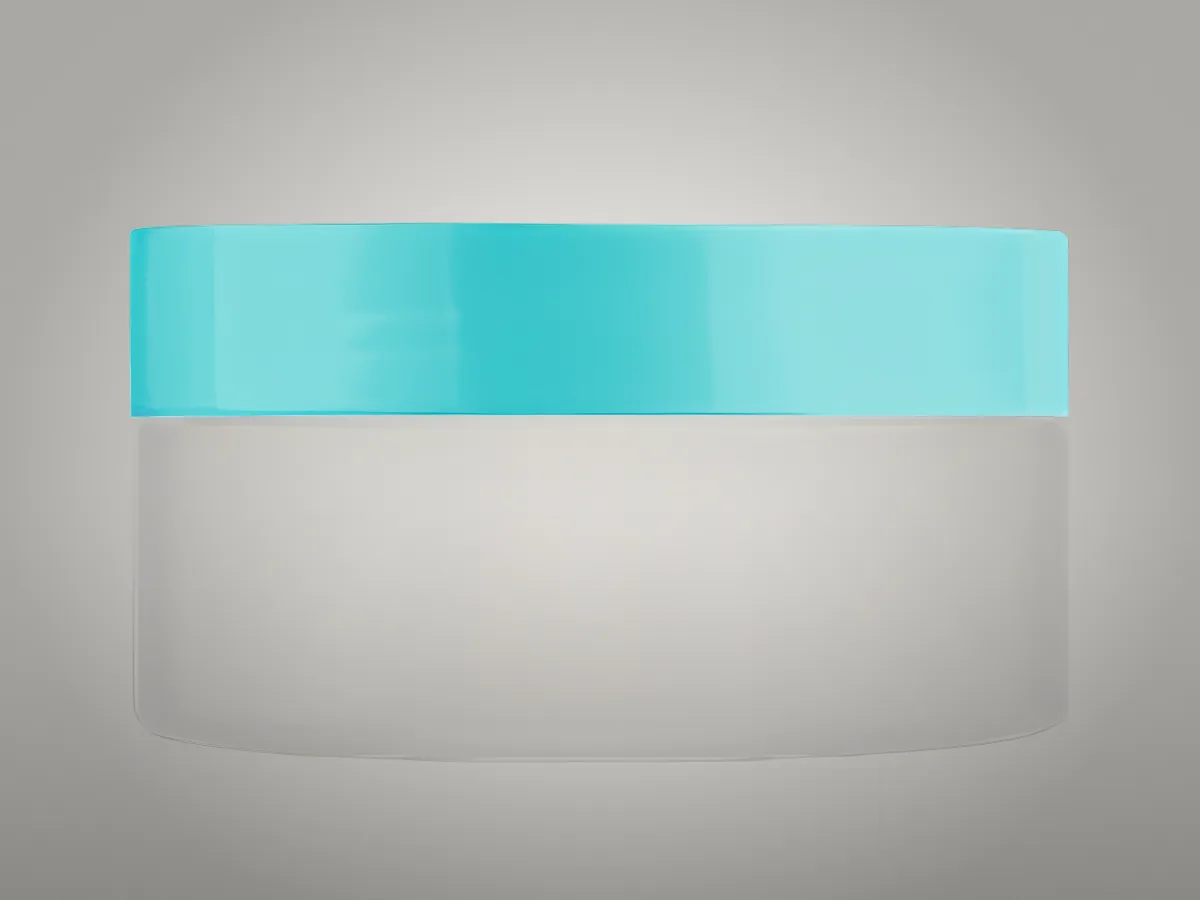
90 g · HDPE
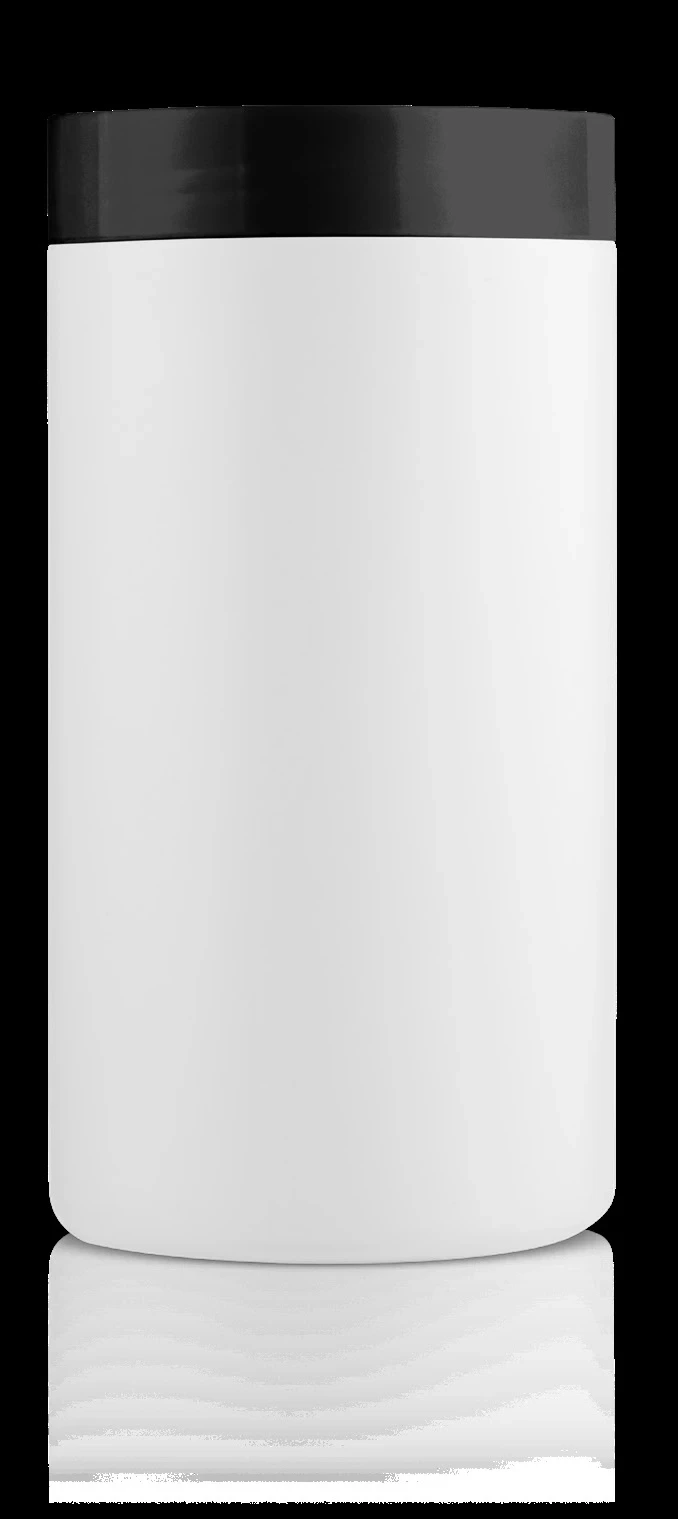
1,000 g · HDPE
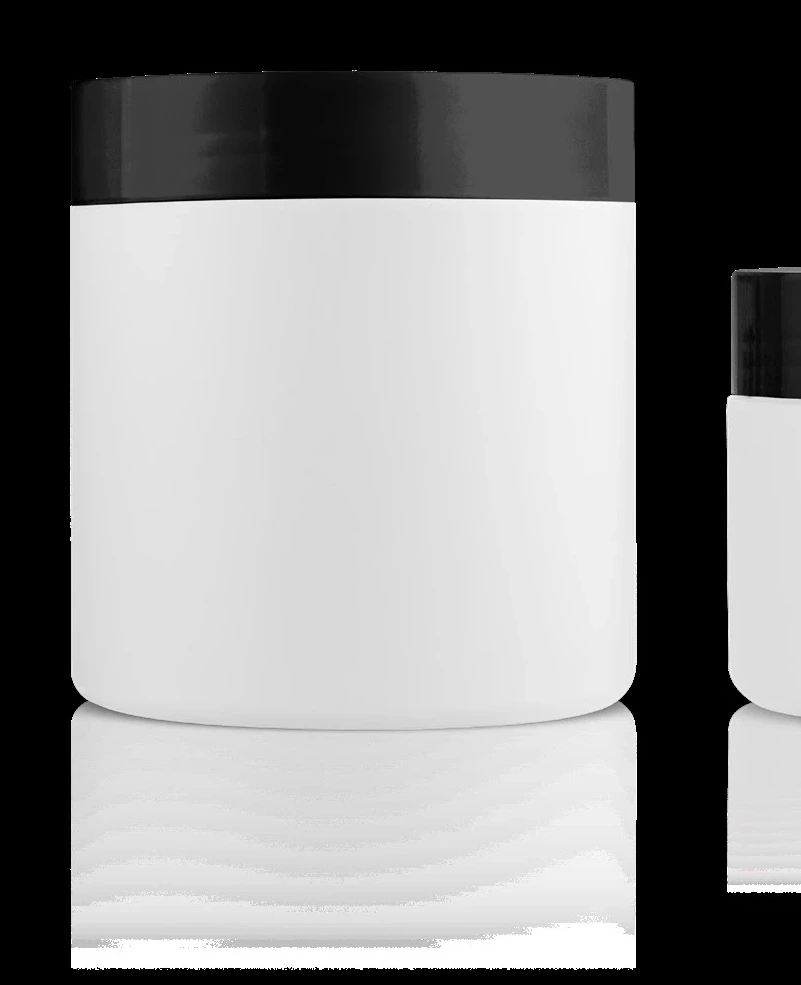
500 g · HDPE
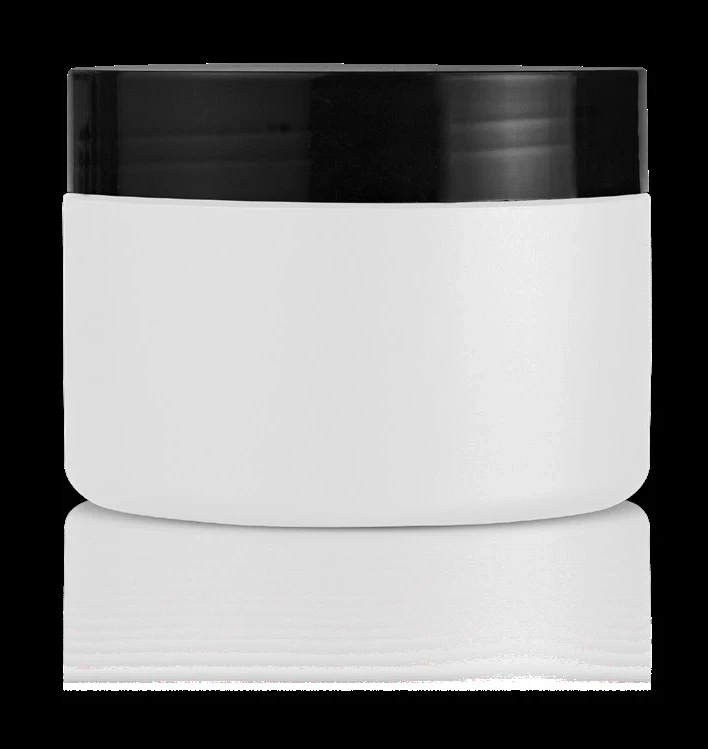
250 g · HDPE

1,000 g · HDPE
500 g · HDPE
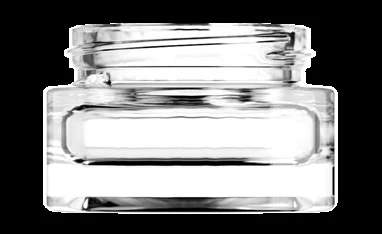
50 ml · Glass
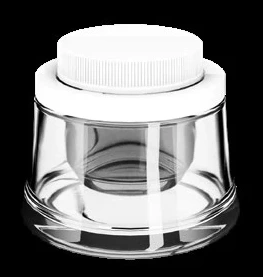
50 ml · Glass
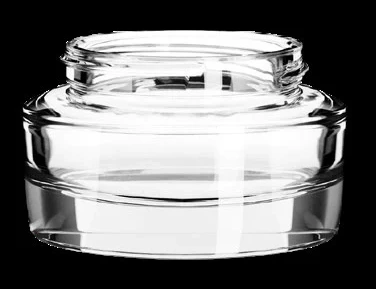
50 ml · Glass
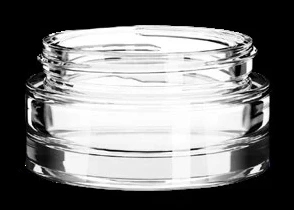
30 ml · Glass
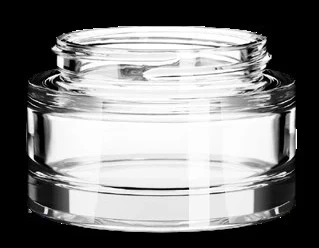
50 ml · Glass
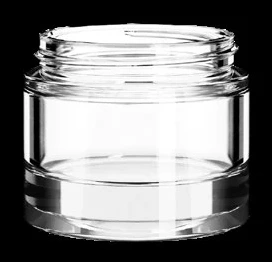
50 ml · Glass
30 ml · Glass
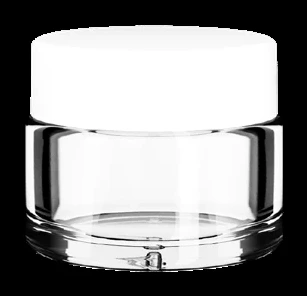
3 ml · Glass
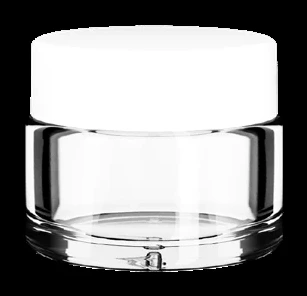
5 ml · Glass
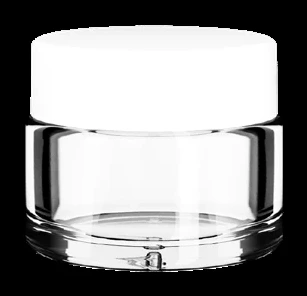
15 ml · Glass
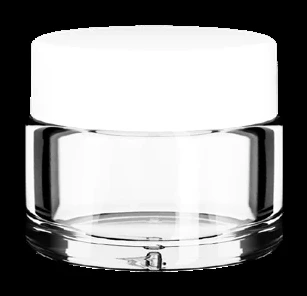
30 ml · Glass
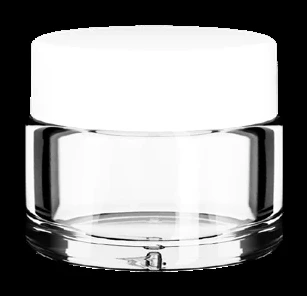
100 ml · Glass
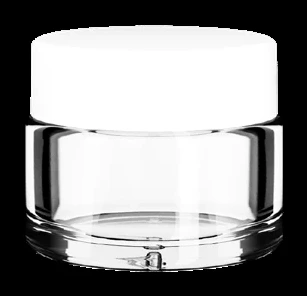
50 ml · Glass
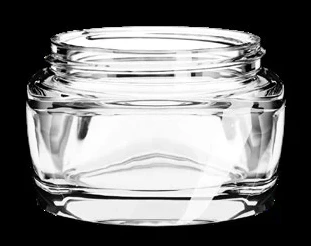
50 ml · Glass
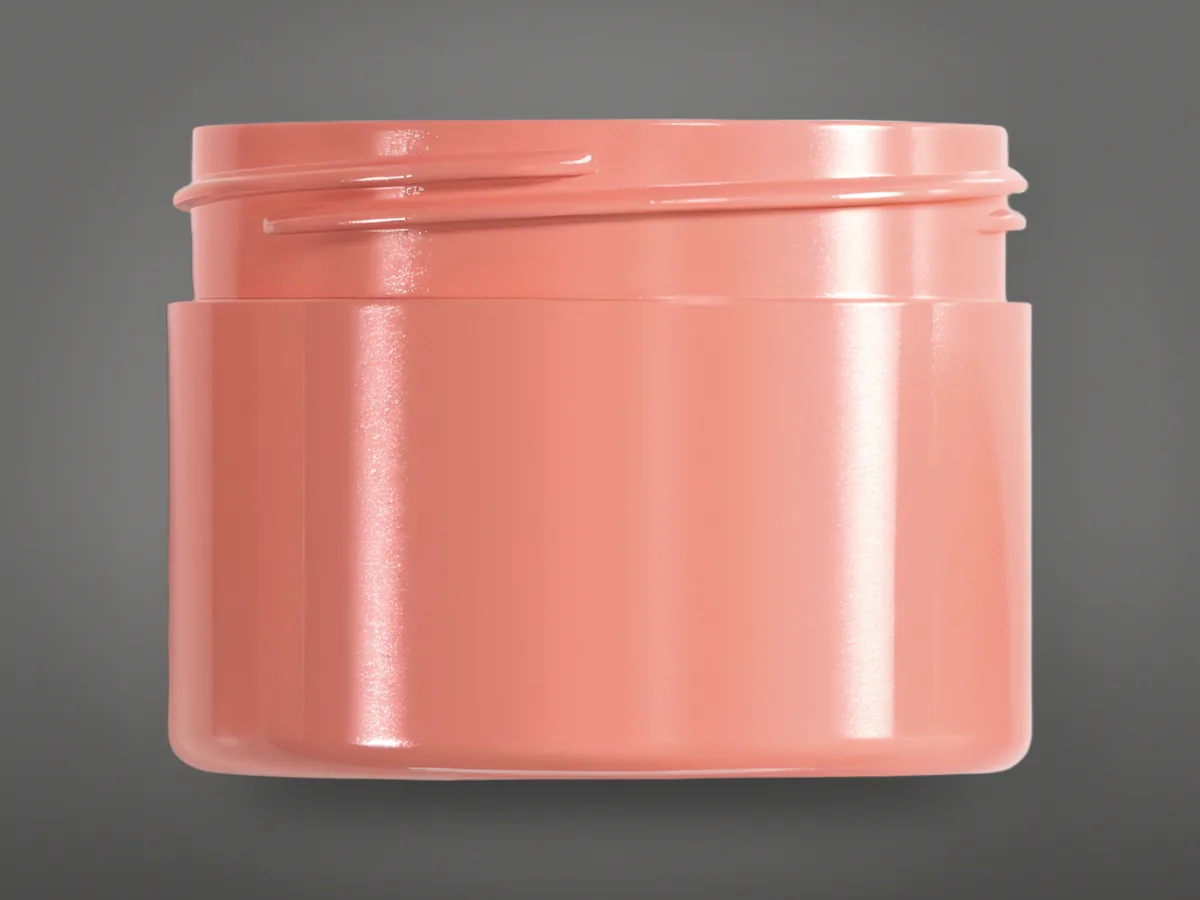
300 ml · HDPE · 88 mm
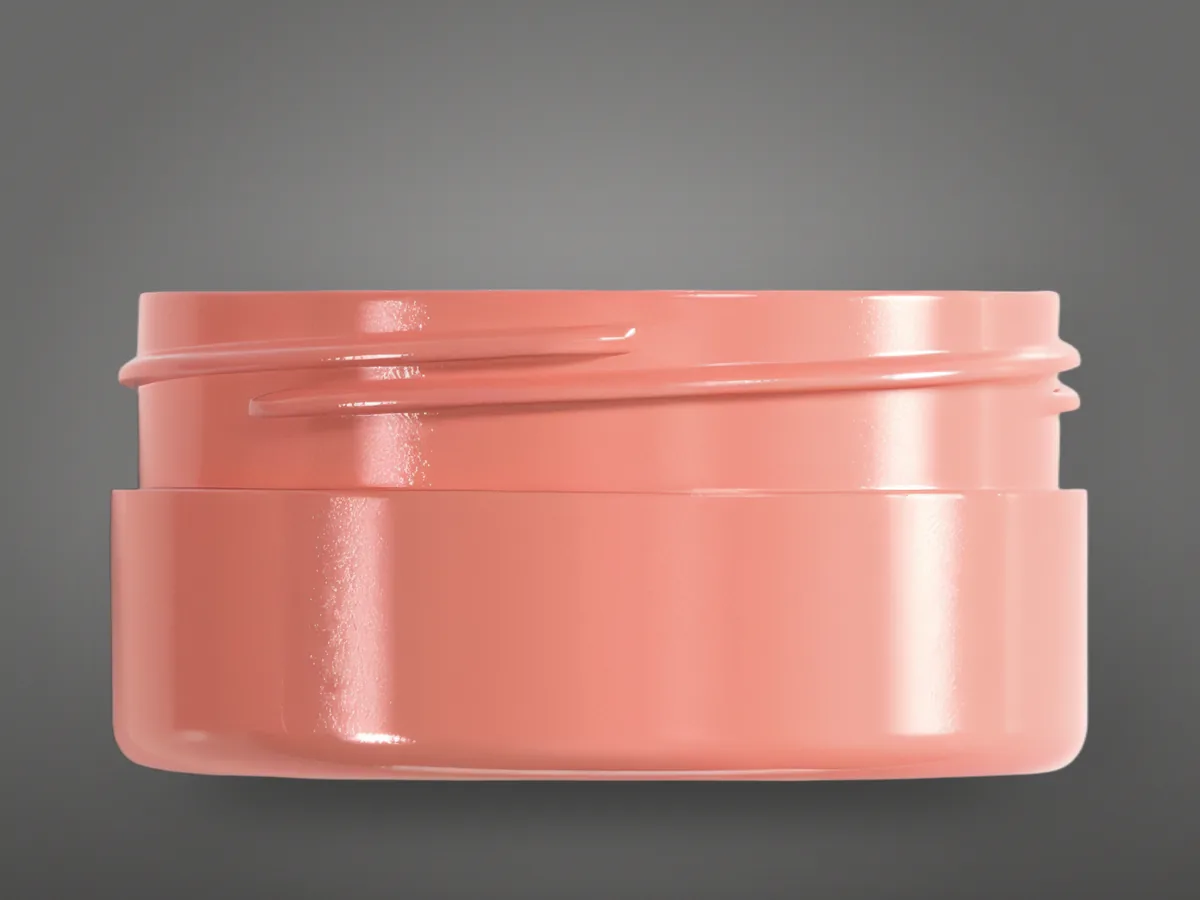
150 ml · HDPE · 88 mm
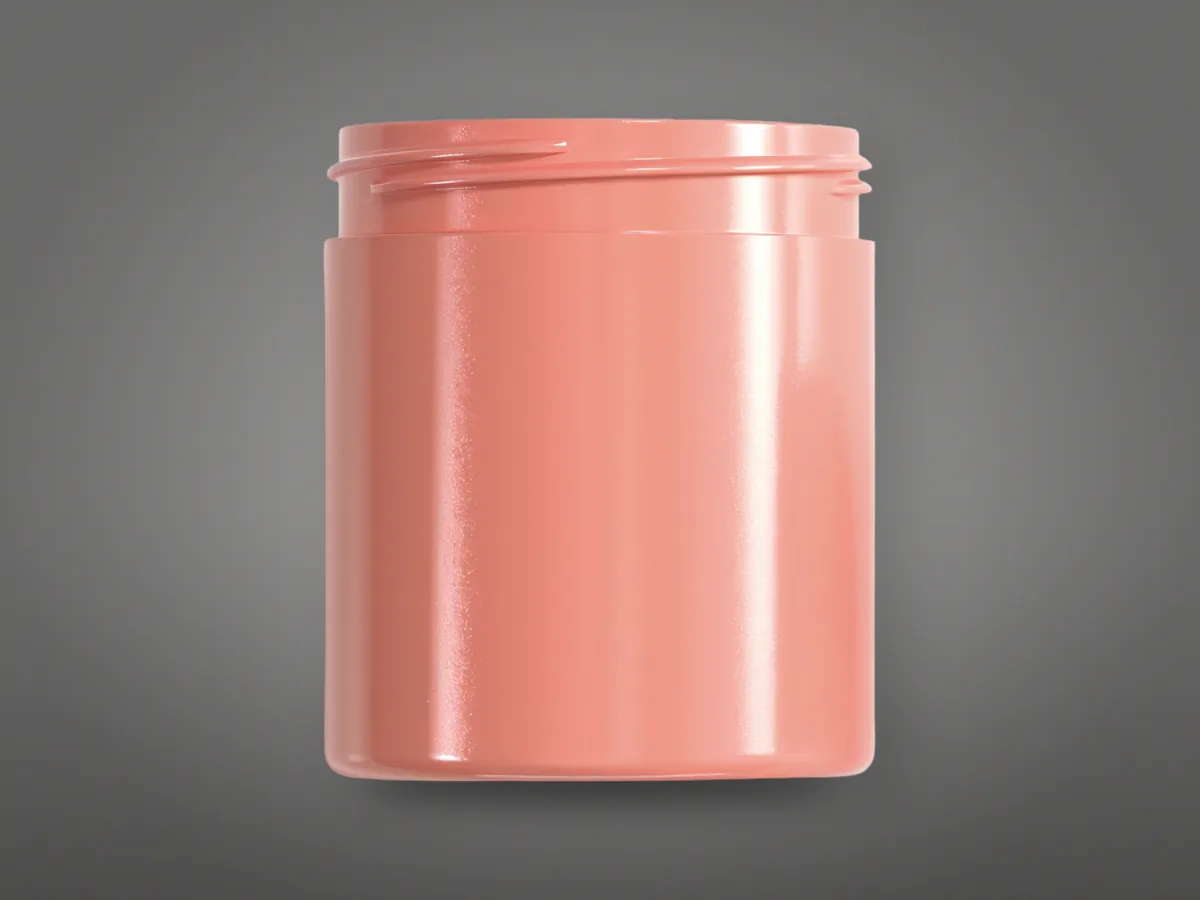
500 ml · HDPE · 88 mm
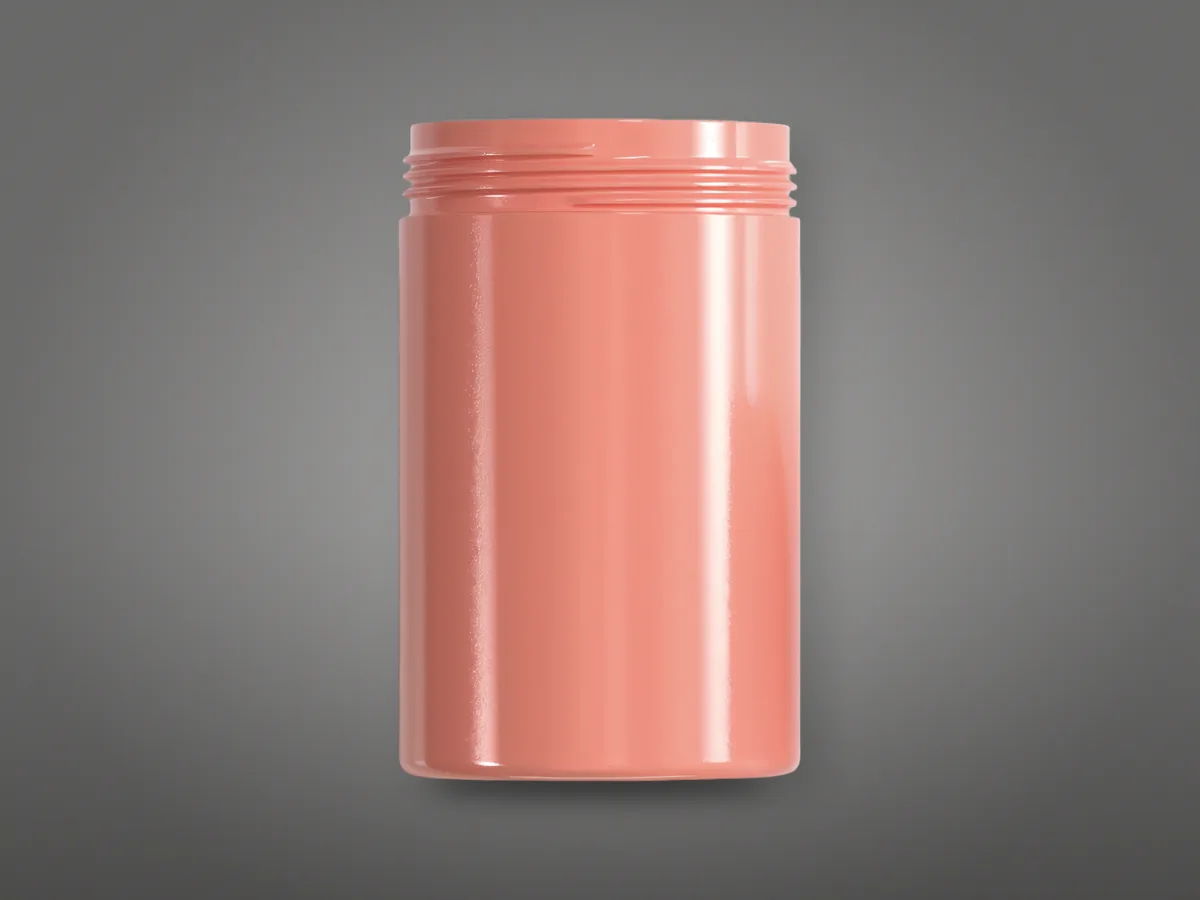
1,000 ml · HDPE · 98 mm
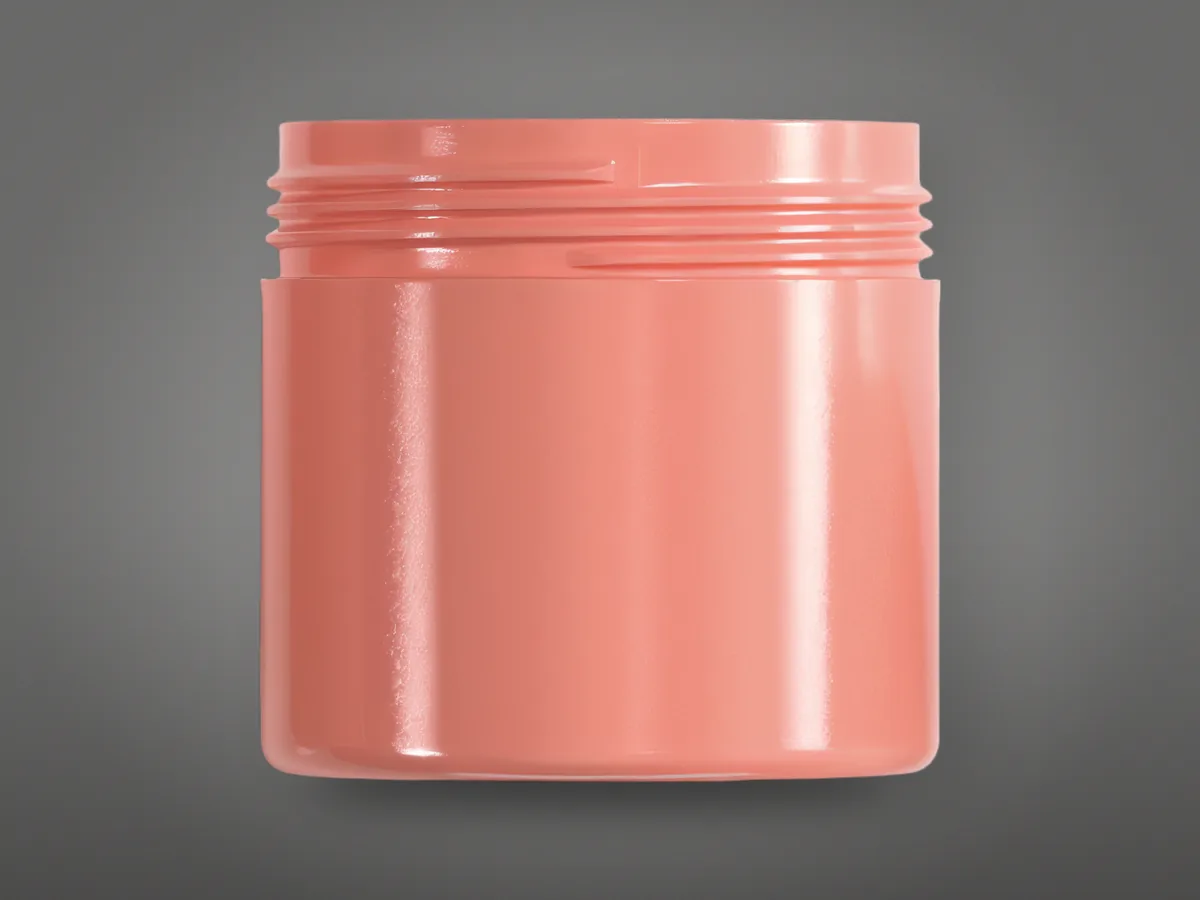
500 ml · HDPE · 98 mm
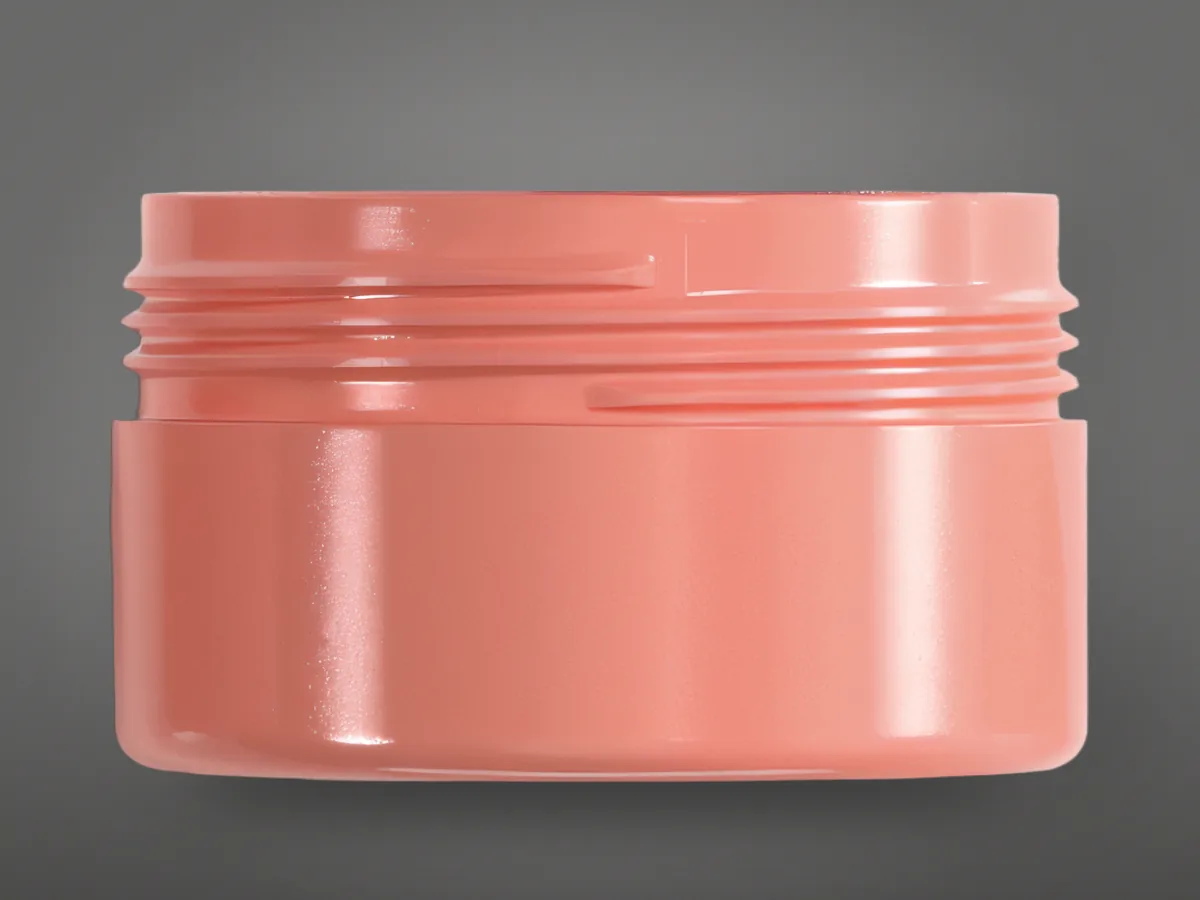
300 ml · HDPE · 98 mm
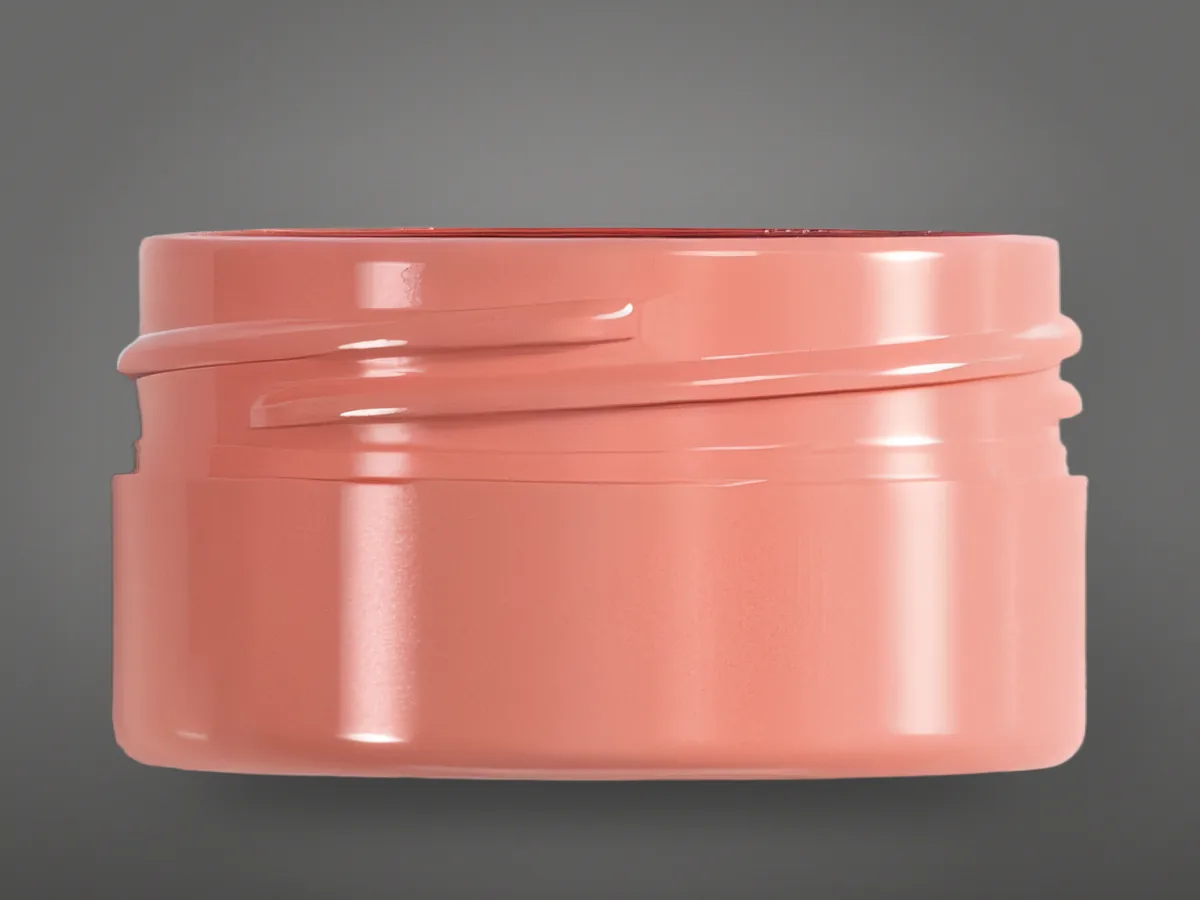
60 ml · HDPE · 68 mm
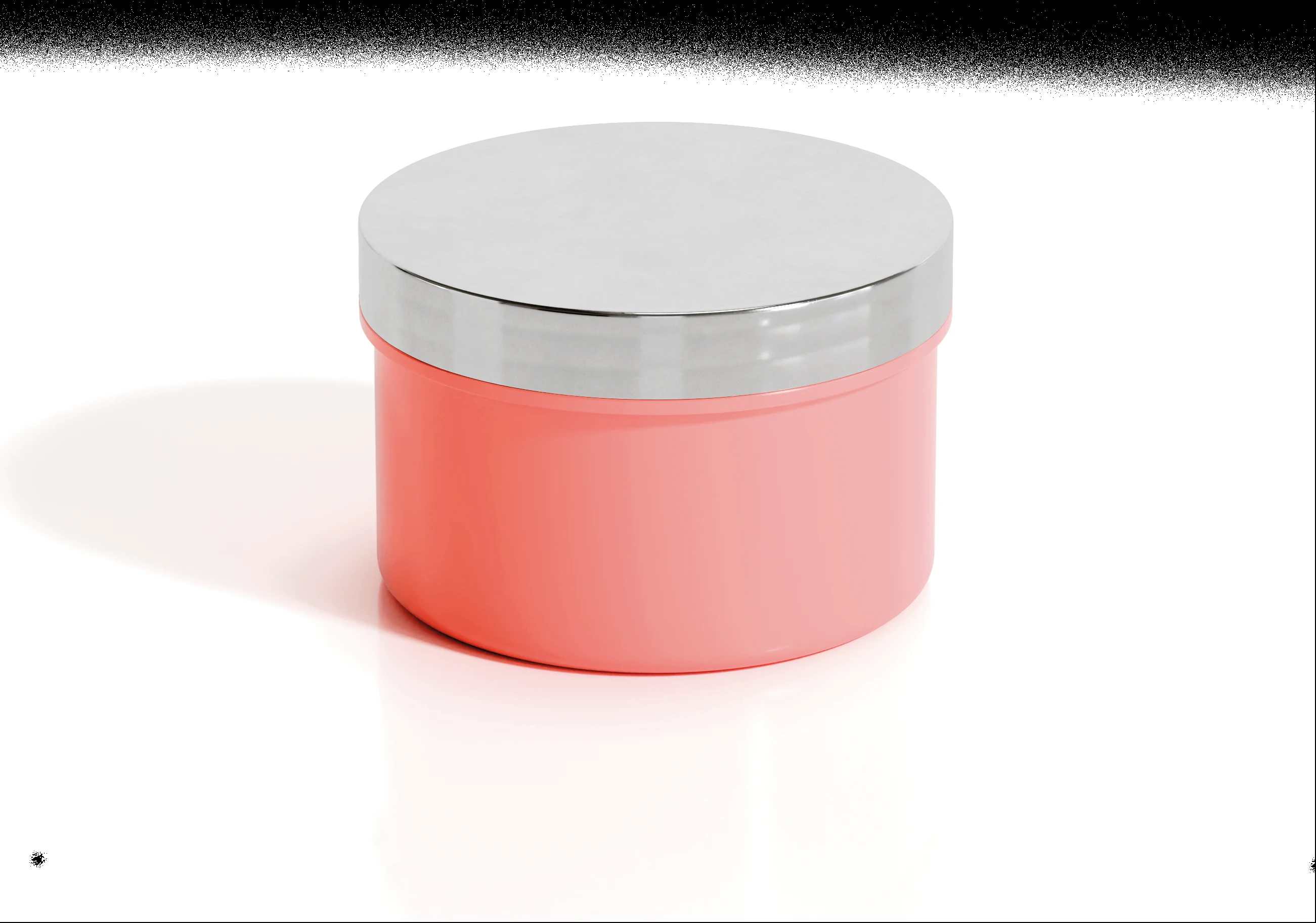
300 ml · HDPE · 93 mm
150 ml · Glass
200 ml · Glass
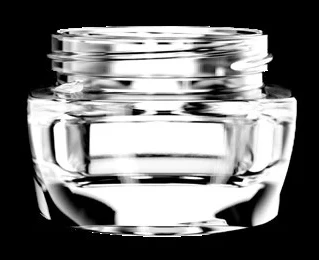
50 ml · Glass
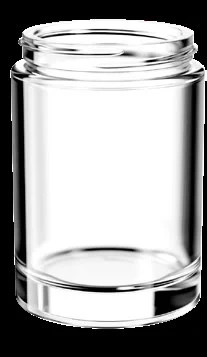
150 ml · Glass
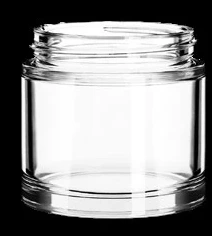
75 ml · Glass
Frequently asked questions
Jar or airless for a cream with an active?
If the active oxidises or preservation is borderline, airless. A jar exposes the whole content to air and fingers at every use, which speeds up degradation and contamination. If the cream is stable and well preserved, a jar works and delivers the texture experience many brands want to show. A spatula with the jar reduces hand contact.
Which jar should I use for body butter?
A wide-mouth jar, because butter is dense and has to be scooped with fingers. PP, HDPE and PET do the job and keep cost down; glass adds value but weighs on freight. Watch temperature: butter softens or melts in heat, so the lid must seal well and carry an inner disc so product does not leak in transit.
What is a double-wall jar?
It is a jar with two bodies: an outer one, usually acrylic, giving the thick glossy look close to glass, and an inner one, usually PP, holding the product. That way the formula only touches PP, which resists many ingredients that can crack acrylic. It is common in premium-positioned skincare.
Jar volume in grams or millilitres?
A jar has a capacity in millilitres, but the product is usually declared in grams, because cream and butter are sold by mass. The conversion depends on the formula's density: a denser cream weighs more in the same volume. That is why fill is validated with the real formula, so the label matches the content and the jar does not look half empty.
Is there a minimum run to manufacture my product with this packaging?
Yes, and it varies by part. Because Private develops and manufactures the finished product, the project minimum takes the formula and the packaging into account together. Stock packaging in a standard colour and finish allows smaller runs. A custom colour, decoration such as screen printing or hot stamping, and a dedicated mould raise the minimum, because they require production set-up. The technical review comes back with the minimum for each option you selected, together with lead time and alternatives.
Other archive categories
Jars
Build your project and get a technical review
Add the packaging that fits your product to your project and tell us what you want to manufacture. The technical team reviews packaging and formula together and replies with feasibility, lead time and next steps.