Archive · over 230 options
Dropper bottles for cosmetics
A dropper bottle doses drop by drop through a glass or plastic pipette fitted into the cap. It is the standard for facial serum, concentrated oil and high-performance actives, where exact dosing matters. The archive has over 230 options, from 3 to 500 ml, and the most common size is 30 ml.
Amber or violet glass is the usual choice when the formula carries a light-sensitive active such as vitamin C or retinol, because it filters part of the spectrum that degrades the molecule. The pipette is a technical decision too: standard rubber bulbs swell in contact with essential oils, and switching to a resistant bulb avoids batch returns.
Quick facts
- Options in the archive
- Over 230
- Volume range
- 3 to 500 ml
- Most frequent materials
- Glass · PET / PETG · Polyethylene (PE / HDPE / LDPE) · Acrylic / AS / ABS
- Most common neck finishes
- 18/410 · R24 · R18 · 20/410
How to choose
Start from how sensitive the formula is: an active that degrades in light calls for amber or violet glass; a stable formula can go in clear or frosted glass, which shows off its colour. Choose the bulb by composition, because oils and some solvents swell standard rubber, while materials such as silicone or nitrile rubber tend to hold up better, always with a test. Check that the pipette reaches close to the bottom so product is not left behind. For daily serum, 15 ml and 30 ml are the most used sizes.
Development lines that use this packaging
Search and filter
Search by type, volume, neck finish or material. E.g.: · · ·
All options
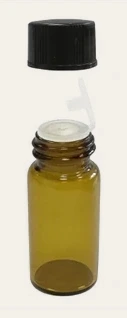
5 ml · Glass · 18/410
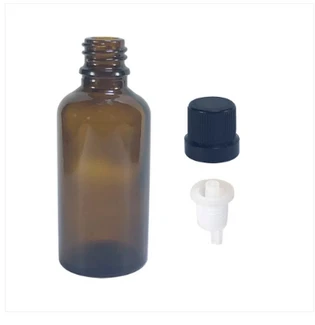
10 ml · Glass · 18/410
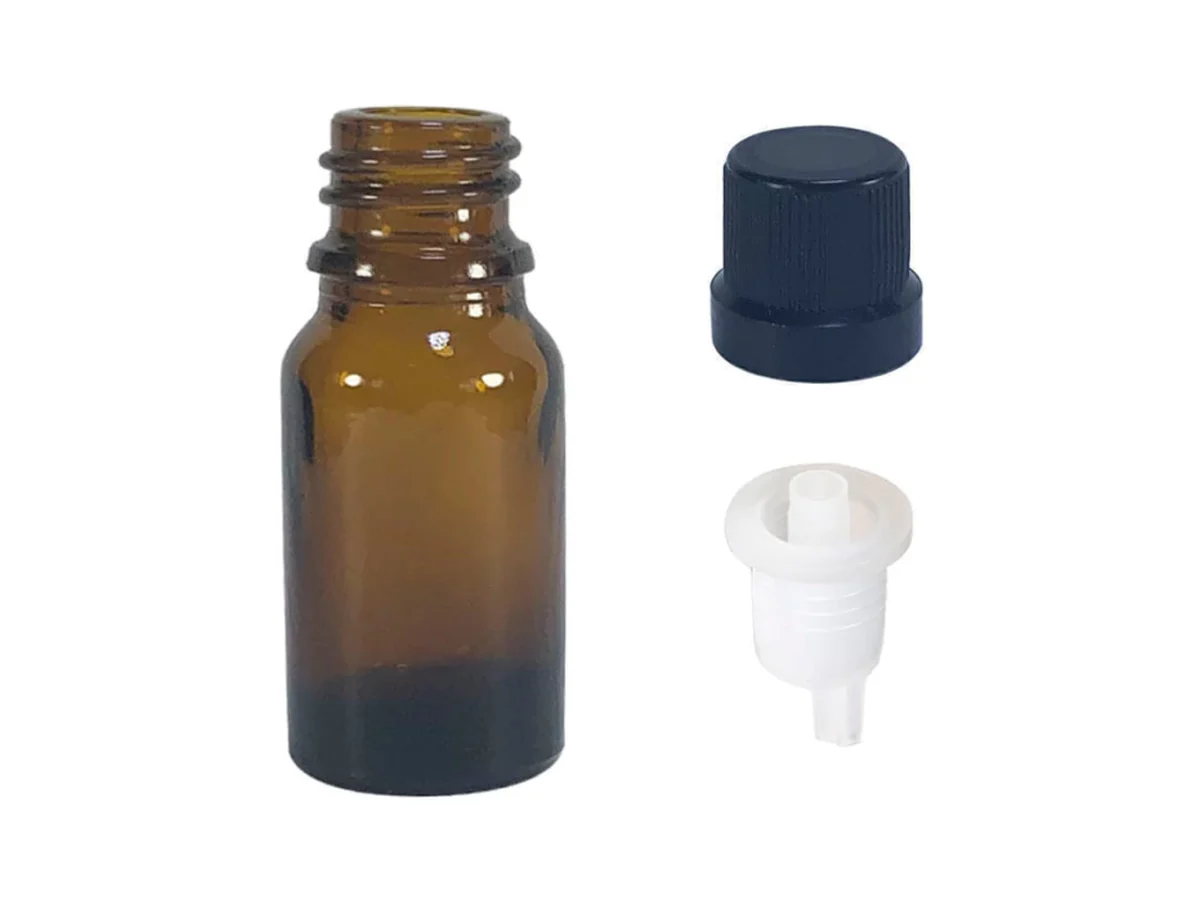
15 ml · Glass · 18/410
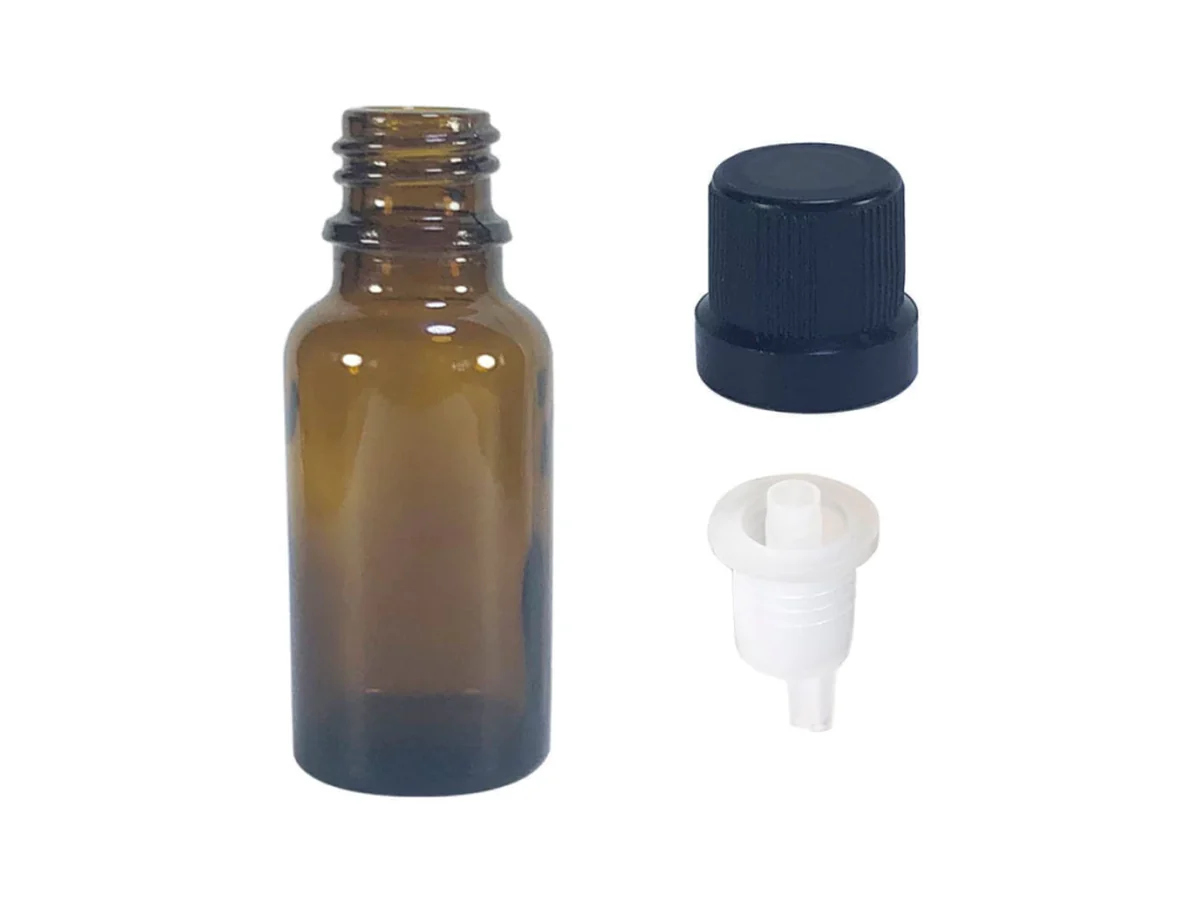
20 ml · Glass · 18/410
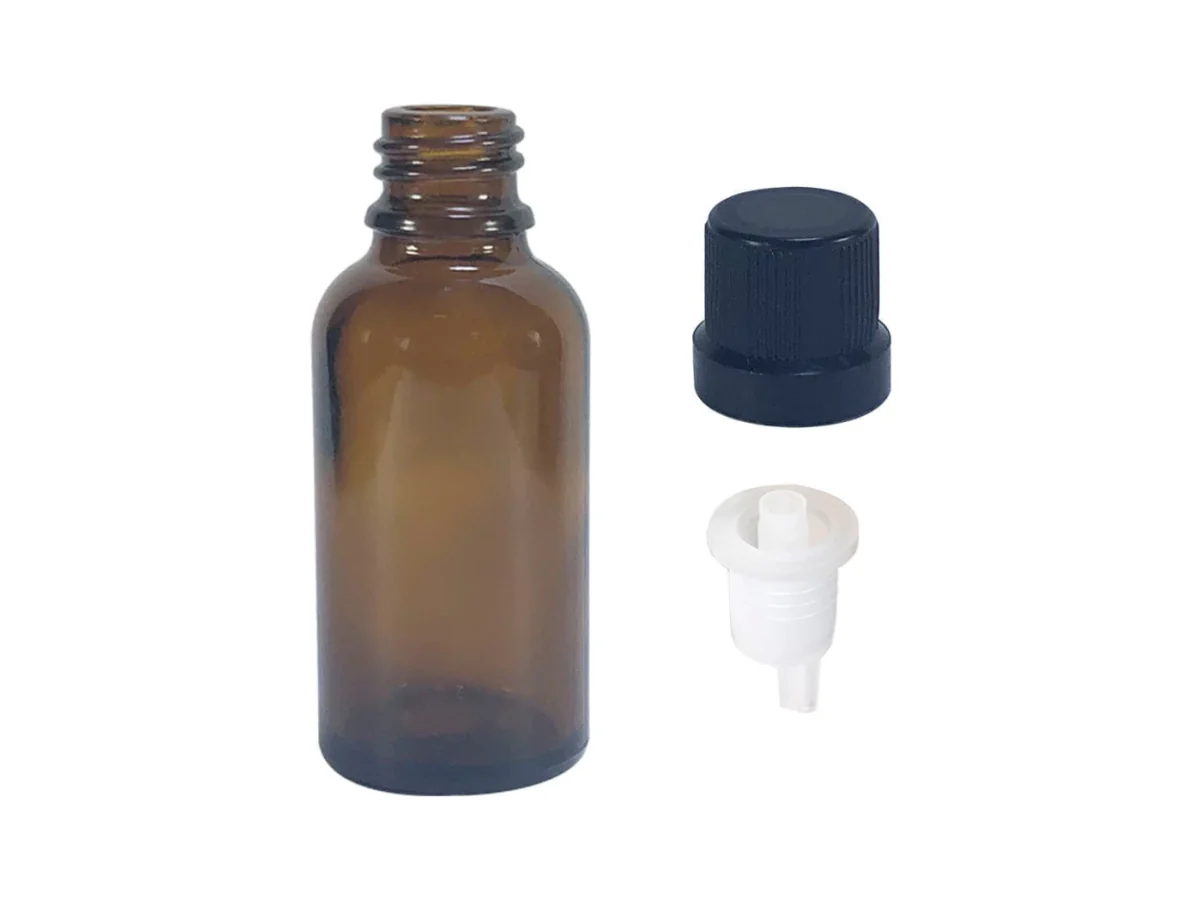
30 ml · Glass · 18/410
50 ml · Glass · 18/410
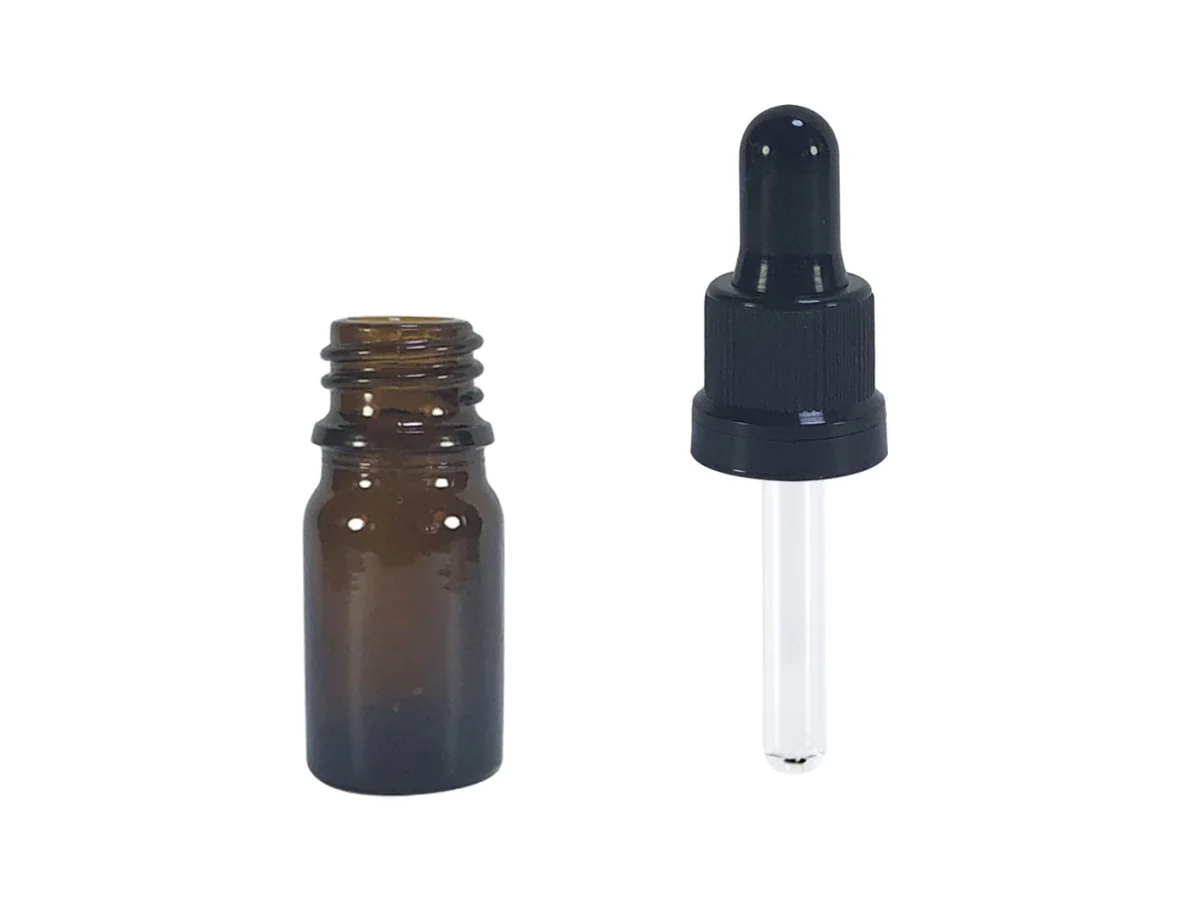
5 ml · Glass · 18/410
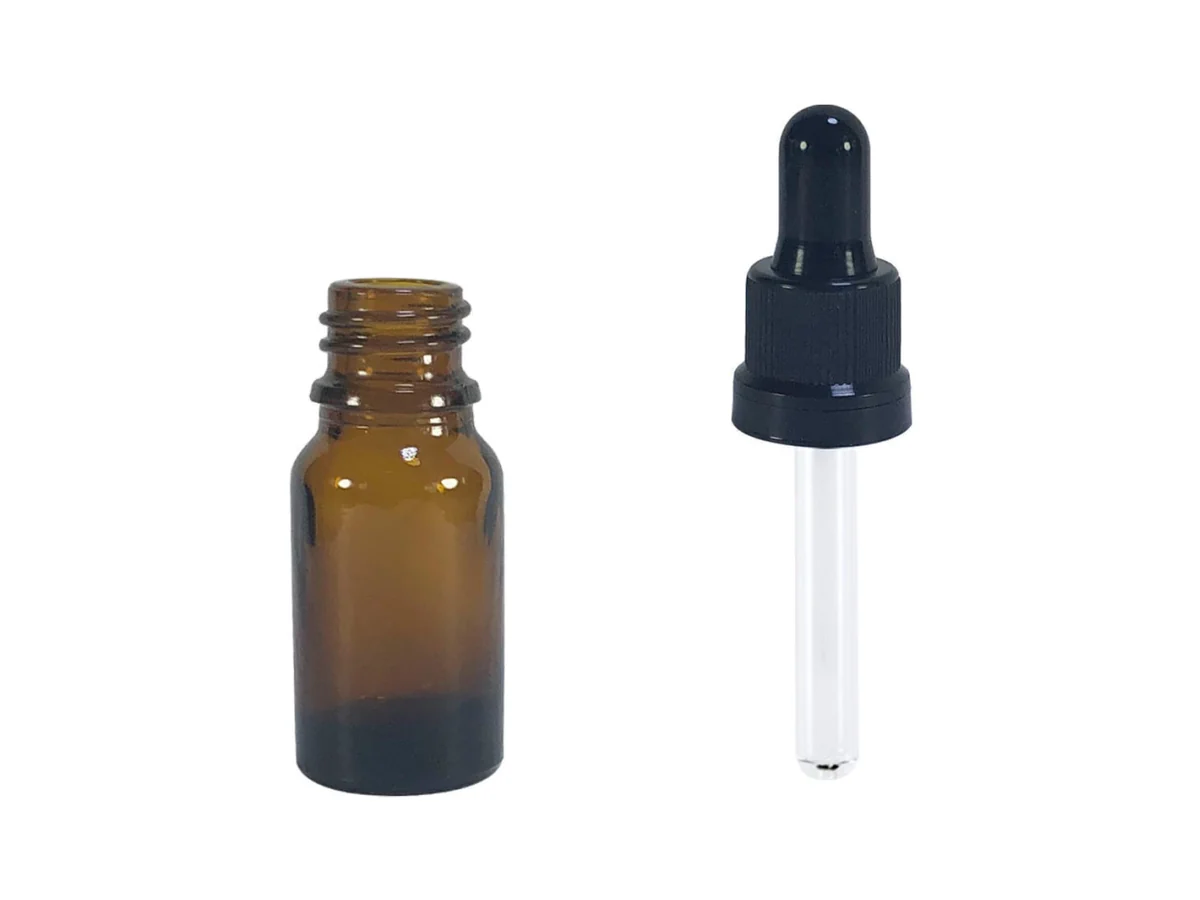
10 ml · Glass · 18/410
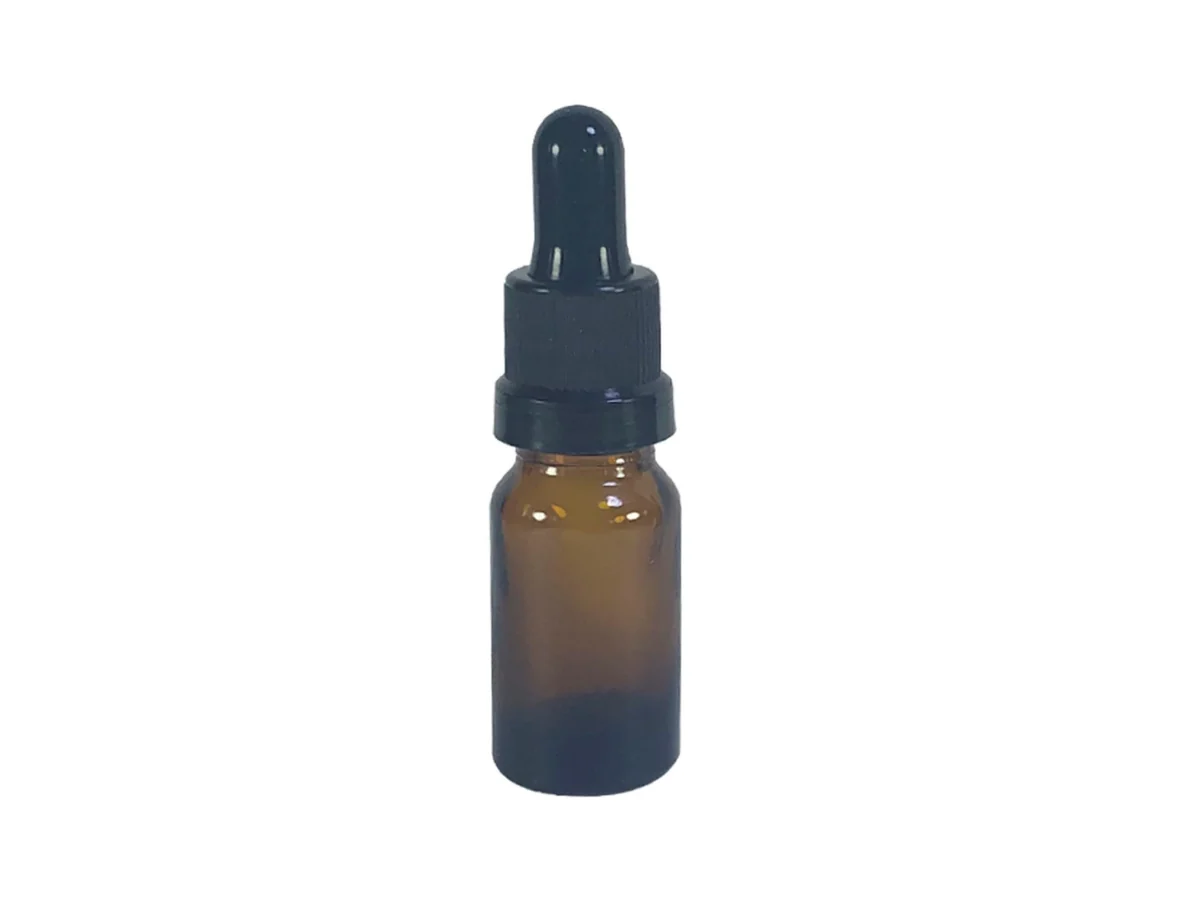
15 ml · Glass · 18/410
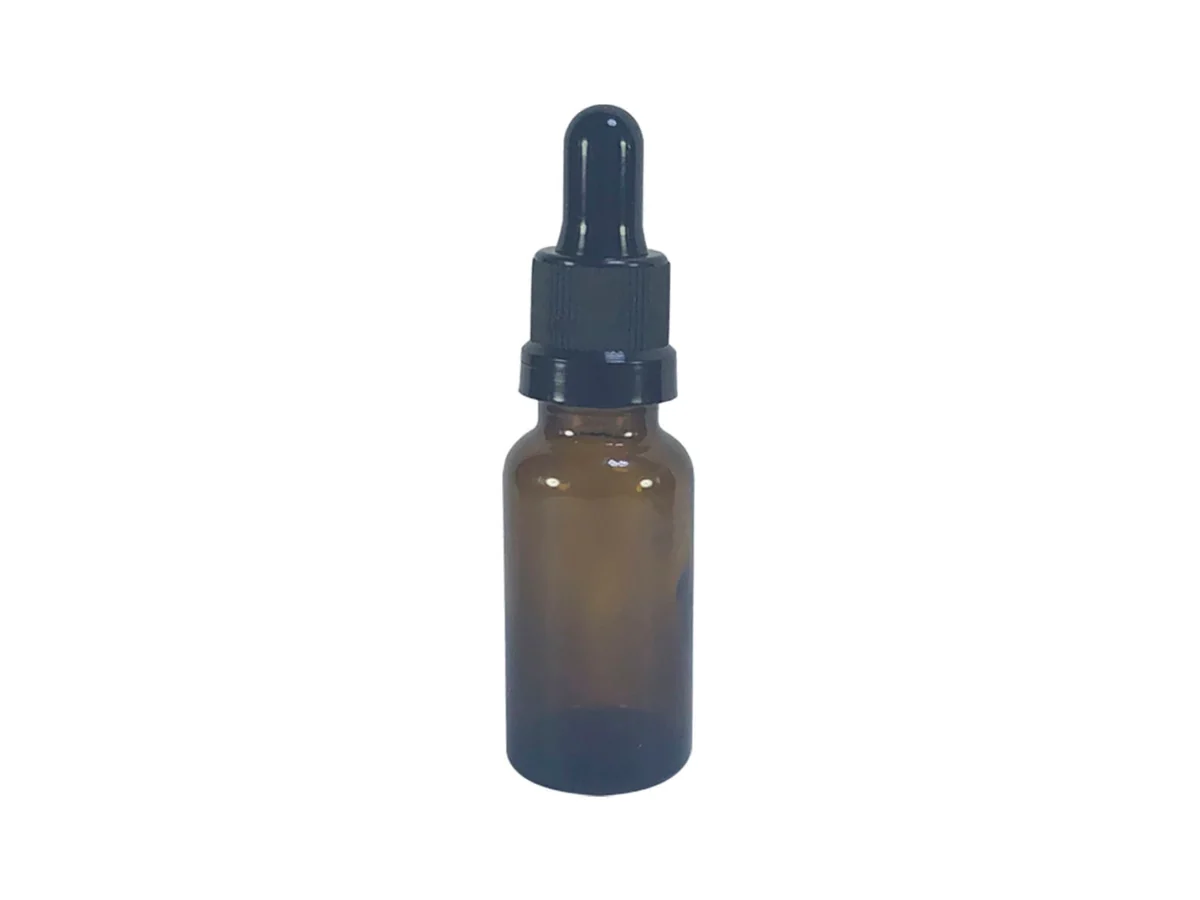
20 ml · Glass · 18/410
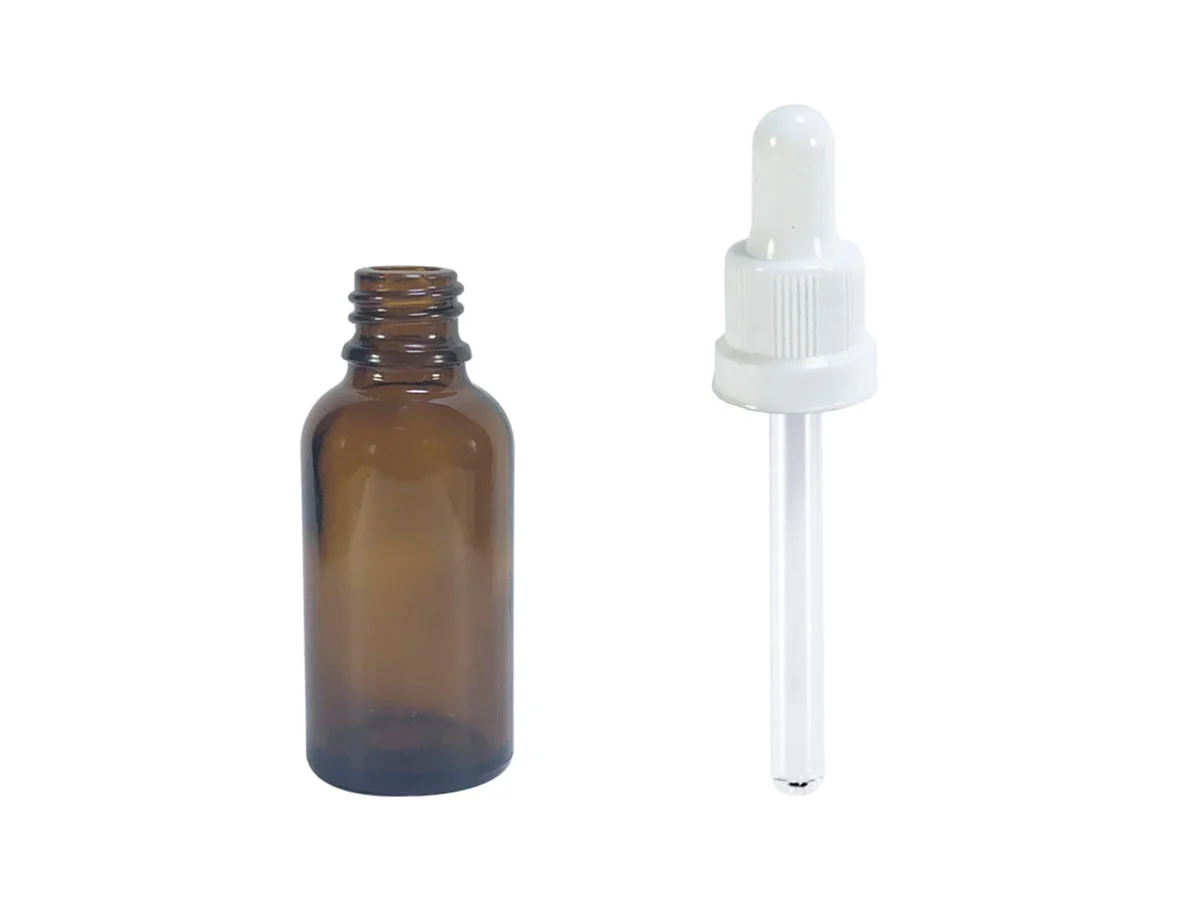
30 ml · Glass · 18/410
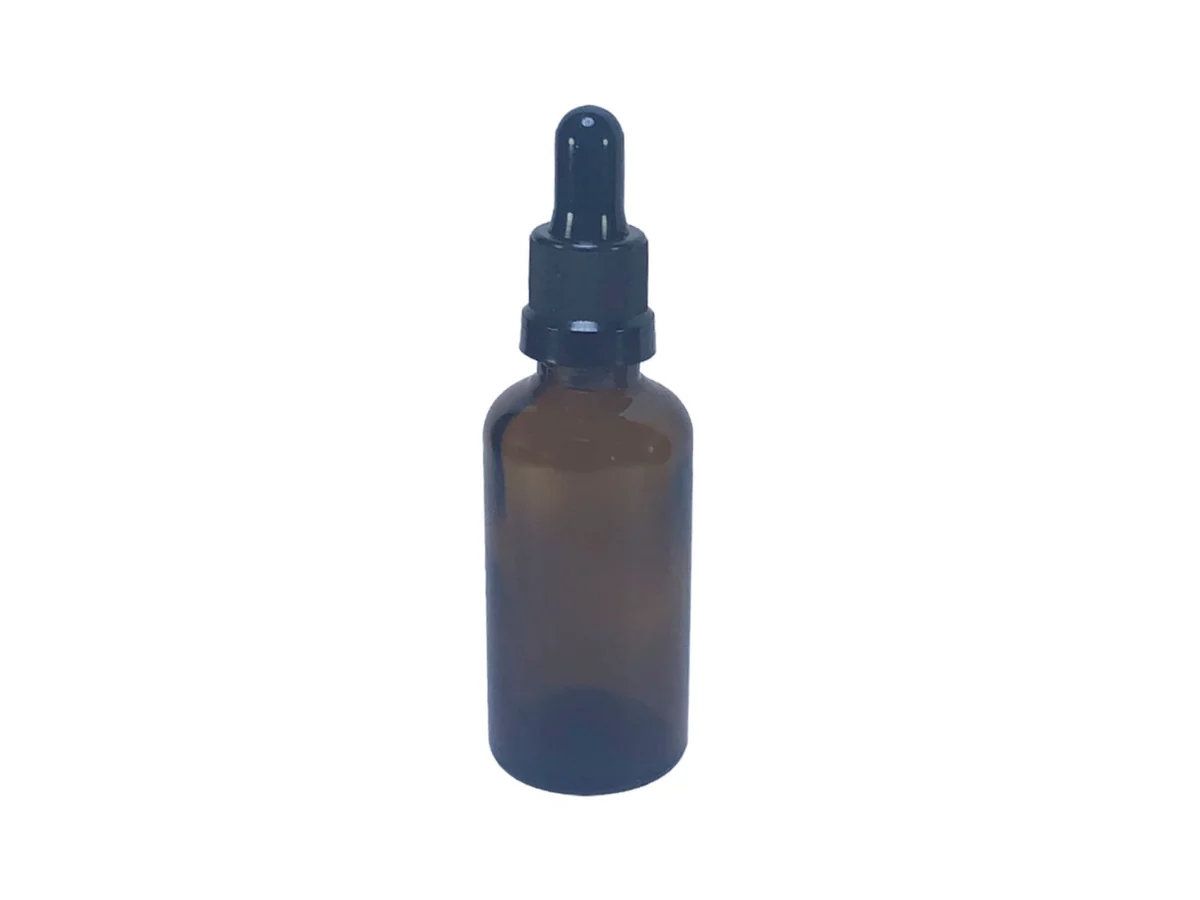
50 ml · Glass · 18/410
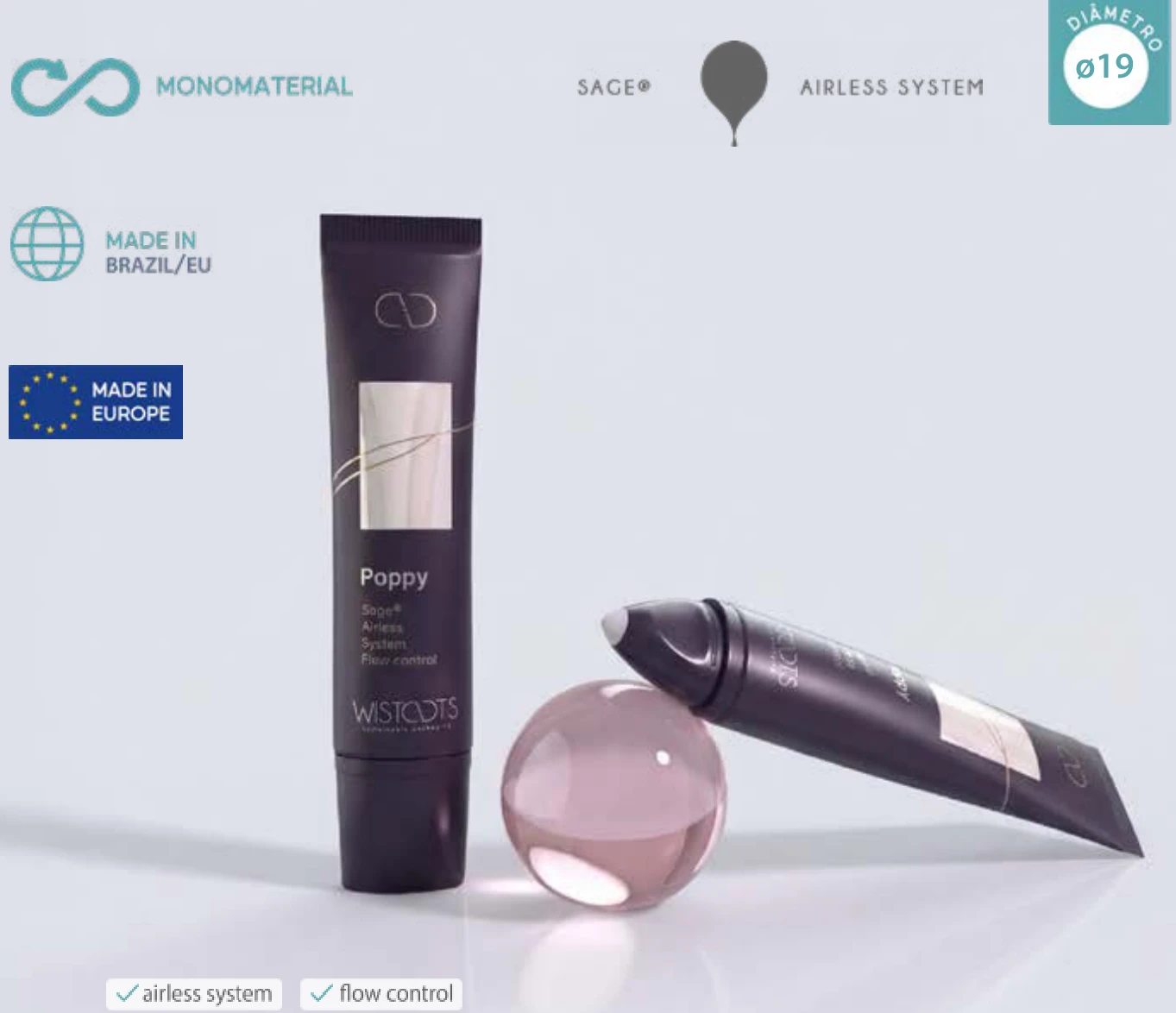
25 ml · PE
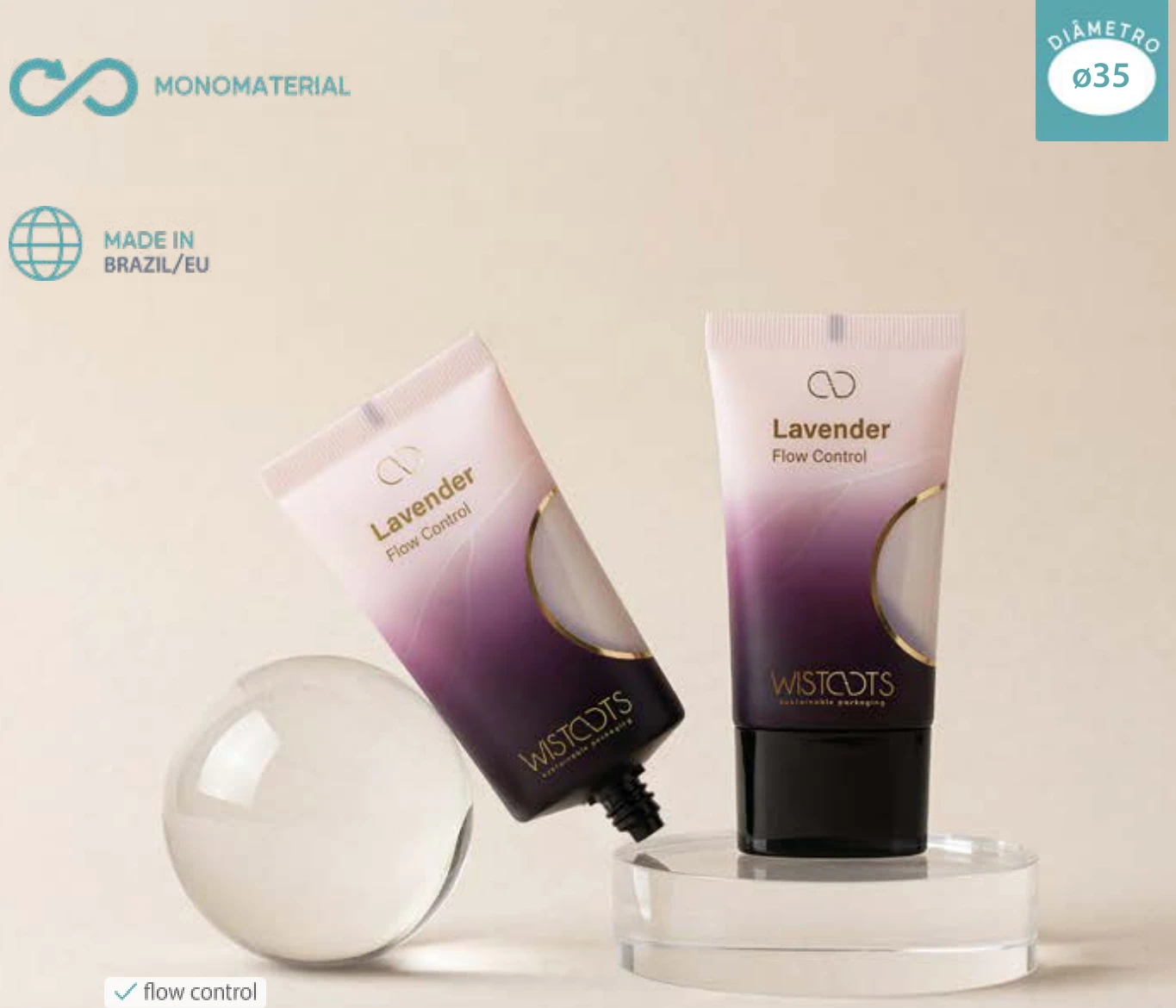
120 ml · PE
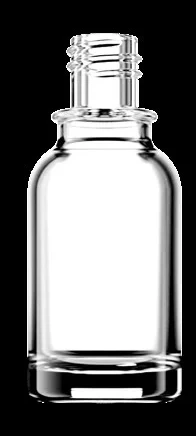
30 ml · Glass
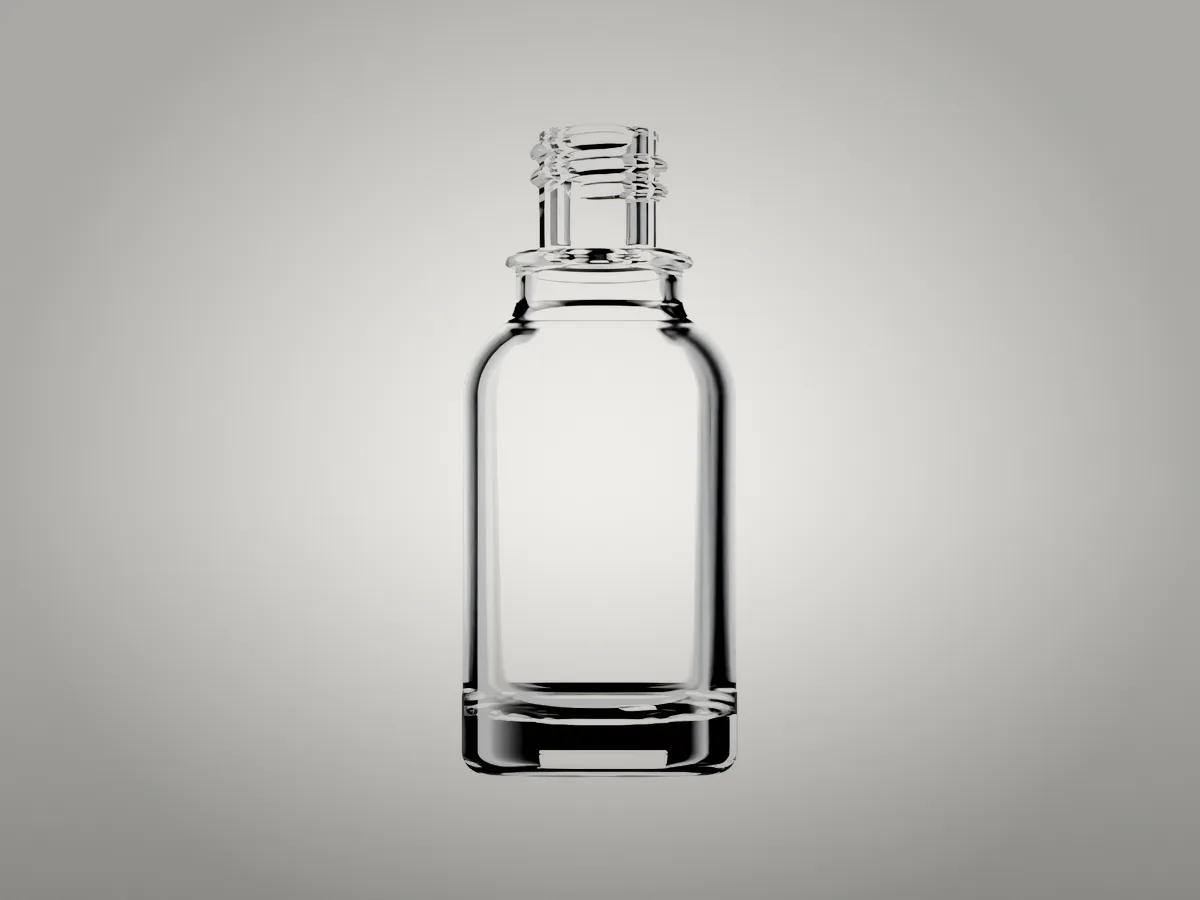
30 ml · Glass
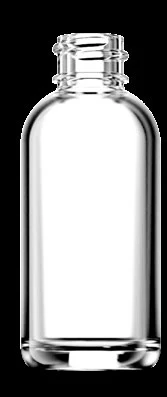
30 ml · Glass
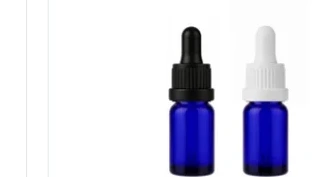
10 ml · Glass · R18
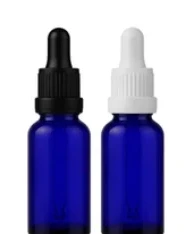
30 ml · Glass · R18
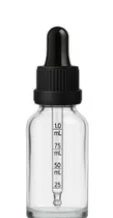
30 ml · Glass · R18
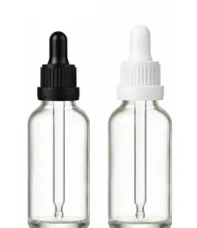
30 ml · Glass · R18
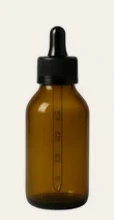
60 ml · Glass · R24
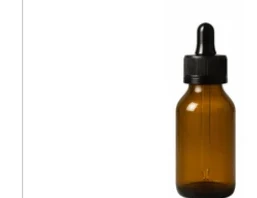
60 ml · Glass · R24
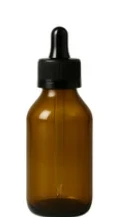
100 ml · Glass · R24
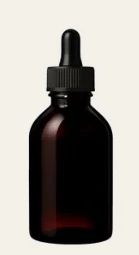
100 ml · PET · R24
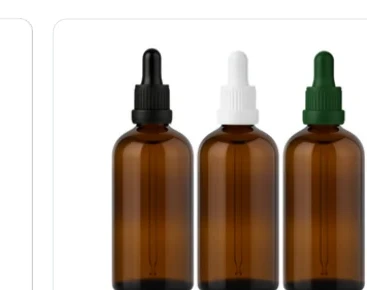
100 ml · Glass · R18
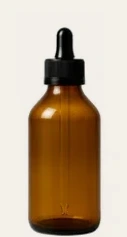
150 ml · Glass · R24
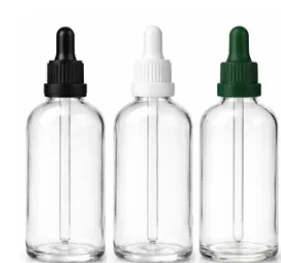
100 ml · Glass · R18
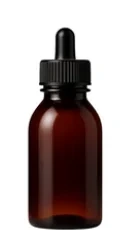
60 ml · PET · R24
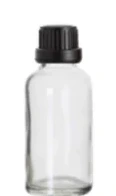
30 ml · Glass · R18
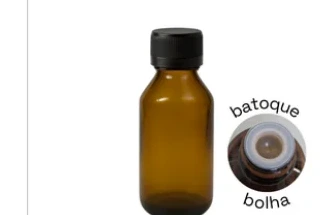
60 ml · Glass · R24
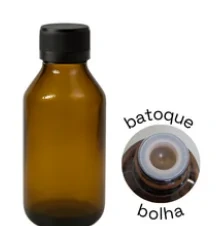
100 ml · Glass · R24
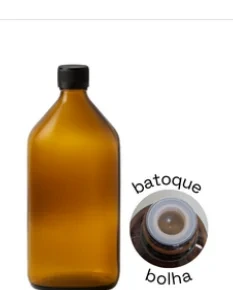
500 ml · Glass · R24
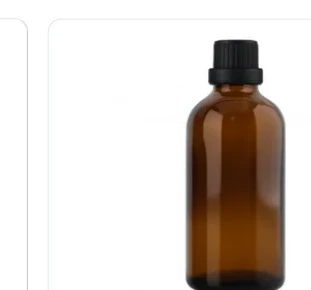
100 ml · Glass · R18
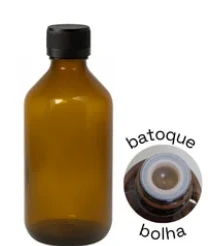
200 ml · Glass · R24
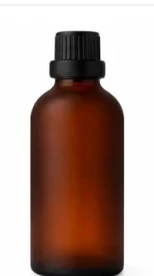
100 ml · Glass · R18
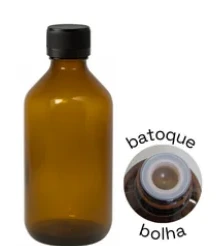
250 ml · Glass · R24
15 ml · PET · 20/410
30 ml · PET · 20/410
60 ml · PET · 20/410
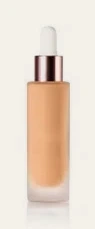
30 ml
30 ml
30 ml
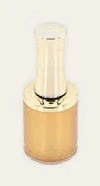
30 ml
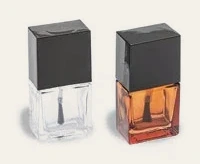
30 ml
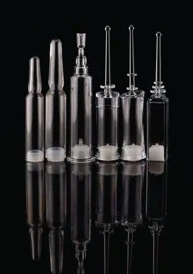
30 ml
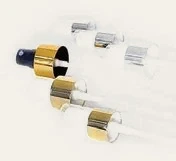
Acrylic
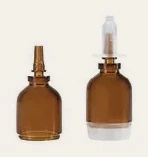
10 ml
Frequently asked questions
What is the best packaging for a serum?
It depends on how stable the active is. A serum with a stable active works well in a glass dropper, which doses precisely and signals treatment. A serum with an active that oxidises, such as pure vitamin C or retinol, is better in airless, which keeps air out at every use. In between, an amber glass dropper in a small size reduces exposure.
Amber or clear glass for vitamin C?
Amber. Vitamin C, especially as ascorbic acid, degrades with light and with oxygen, and amber glass filters much of the ultraviolet range. Amber does not solve oxygen: air gets in at every opening. That is why vitamin C droppers usually come in small sizes, and the most unstable formulas move to airless.
How many drops are in a 30 ml bottle?
The usual reference is about 20 drops per millilitre, which would put roughly 600 drops in 30 ml. In practice the number varies a lot: oily or viscous formulas form larger drops, and pipette diameter also changes drop size. To label dose and duration, measure with the real formula in the chosen pipette.
Can the dropper bulb react with the formula?
Yes. Natural rubber tends to swell, harden or bleed colour in contact with essential oils, some solvents and very acidic formulas, and it shows weeks after filling. Silicone or nitrile rubber bulbs usually hold up better. A compatibility test with the real formula, leaving the bottle on its side so product touches the bulb, avoids surprises in the batch.
Other archive categories
Dropper bottles
Build your project and get a technical review
Add the packaging that fits your product to your project and tell us what you want to manufacture. The technical team reviews packaging and formula together and replies with feasibility, lead time and next steps.